


Brain Health
Latest News
Advertisement
Latest Videos





CME Content















Advertisement
More News
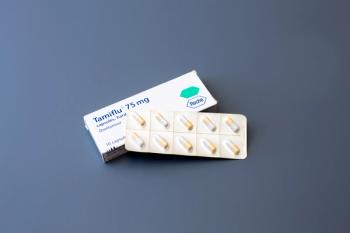
New research confirms oseltamivir (Tamiflu; Roche) is safe for children, reducing flu-related neuropsychiatric risks and encouraging timely antiviral treatment.
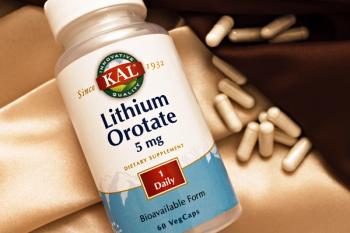
Harvard researchers reveal lithium deficiency as a potential early driver of Alzheimer disease, suggesting new treatment avenues for patients.

Pharmacists play a crucial role in managing headaches in patients on complement inhibitors for PNH, ensuring proper education and risk mitigation strategies.

The FDA approves dordaviprone, the first systemic therapy for H3 K27M-mutant diffuse midline glioma, offering hope for patients with limited options.

New research reveals that GLP-1 receptor agonists like semaglutide may significantly reduce stroke impacts and improve recovery outcomes.

Hospitalized older adults infected with SARS-CoV-2 had faster declines in executive function and memory compared with both uninfected and nonhospitalized infected patients.

Sepiapterin treatment allowed patients to liberalize their diet while reaching or exceeding recommended daily protein allowances in patients living with phenylketonuria.

VMAT2 inhibitors can improve movement symptoms.


New research links gabapentin use for back pain to increased dementia risk, especially in middle-aged adults.

BCPPs can address behavioral health workforce shortages and advocate for expanded access and reimbursement amid evolving legislation and treatment landscapes.

These health care professionals are crucial to optimizing safety in medication therapy, addressing policy barriers, and the collaboration with others in the field.

A direct link between memories and physical changes has not yet been established.

Amyvid is used for brain imaging to estimate amyloid plaque density in patients with cognitive impairment undergoing evaluation for Alzheimer disease.

A recent meta-analysis reveals low persistence rates with anti-dementia drugs, highlighting factors influencing adherence and the need for standardized reporting.

Taletrectinib demonstrated high response rates and was well tolerated among patients with ROS1+ non-small cell lung cancer (NSCLC).

The authors wrote that a life course approach to the treatment and prevention of depression may help reduce individual burdens of dementia.

Never taking a break does more harm than good.

Integrated health system specialty pharmacies can improve patient care for non–multiple sclerosis neurologic conditions.

The small molecule effectively blocks cell death effector proteins, potentially rescuing cells from degeneration.
The Lumipulse G pTau217/ß-Amyloid 1-42 Plasma Ratio is the first in vitro diagnostic device that tests blood to aid in diagnosing Alzheimer disease.

Cure Rare Disease's CRD-002 receives FDA orphan drug designation, advancing hope for SCA3 treatment with innovative oligonucleotide therapy.

With Oregon, Colorado, and New Mexico legalizing psilocybin-assisted therapy, opportunities for treatment are expanding.

The approved injection contains dihydroergotamine (DHE), which is the same medication used in hospitals, in a ready-to-use device.

Logan Schneider, MD, highlights the importance of integrating patient-reported outcomes into clinical trials to better capture the full therapeutic impact of low-sodium oxybate (Xywav) beyond traditional sleep metrics.
Advertisement
Advertisement
Trending on Pharmacy Times
1
TrumpRx Launches, Offering Cash-Paying Patients Discounted Drugs
2
SGLT2 Inhibitors in T2D Lower 5-Year Risk of CKD and Acute Kidney Injury
3
Pharmacist Takeover: CAR T Therapy Signals a Shift in ALL Treatment
4
Q&A: How Pharmacists Can Address Structural Barriers in Obesity Care
5