



Allergy
Latest News
Advertisement
Latest Videos






Shorts
1:26
AAAAI 2026 Recap
3 months ago
by
Kennedy Ferruggia, Associate Editor
Podcasts

CME Content


























































































































Advertisement
More News
![Patient with hives (chronic spontaneous urticaria [CSU]) -- Image credit: suriya | stock.adobe.com](https://cdn.sanity.io/images/0vv8moc6/pharmacytimes/f7c28cd2ba0b3498c4a0de7219e357228265f4ac-5472x3648.jpg?w=350&fit=crop&auto=format)
Remibrutinib, an oral Bruton tyrosine kinase inhibitor for chronic spontaneous urticaria (CSU), delivers itch and hive relief within 12 hours and sustains improvements through week 1.

With this action, dupilumab has become the first and only FDA-approved treatment for allergic fungal rhinosinusitis.

The FDA issued a drug safety communication regarding rare but severe pruritus associated with discontinuation of long-term use of cetirizine or levocetirizine.
The FDA cited human factors unrelated to the drug's efficacy as the reason for rejection.

New research reveals how specific gut bacteria in infants may reduce the risk of allergies and asthma, offering potential preventive strategies.

Research reveals how eczema's timing and severity influence children's chances of outgrowing food allergies, highlighting the connection between skin health and allergy tolerance.
Previously approved for patients 12 years and older, berotralstat now gives younger patients a treatment option to manage sudden hereditary angioedema attacks.

The FDA approves a new dose of Omlyclo, the first interchangeable biosimilar to Xolair, enhancing treatment options for allergic and inflammatory conditions.

The CLEAR framework helps guide pharmacists during the process of assessing and delabeling β-lactam allergies to improve patient outcomes.

Pharmaceutical companies must consider formulation, packaging, and labeling from the start to minimize errors and protect patients.
Azelastine, commonly used in nasal sprays to combat allergies, was found to reduce the incidence of SARS-CoV-2 among healthy controls in a phase 2 trial.

The "farm effect" is a term researchers use to describe the protective impact of growing up on traditional farms—especially around livestock, barns, and raw farm environments—on the development of allergies and asthma.
The biosimilar showed similar efficacy, pharmacokinetics, pharmacodynamics, safety, quality of life, and immunogenicity in patients with chronic spontaneous urticaria (CSU).

The FDA is warning of rare severe itching after stopping long-term use of popular allergy medications cetirizine and levocetirizine, urging patient education.
Sebetralstat becomes the first FDA-approved oral treatment for hereditary angioedema (HAE), offering rapid relief for patients experiencing acute attacks.
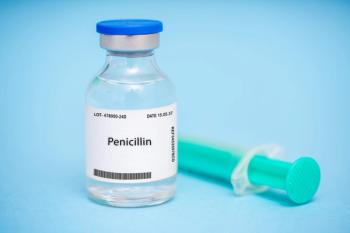
A pharmacist-led program effectively reduces incorrect penicillin allergy labels, promoting better antibiotic use and enhancing patient care in intensive care units.

About 10% of patients report a penicillin allergy, but only around 1% are truly allergic. Recommending penicillin allergy testing can help patients determine whether they have a true allergy.

New findings show LYR-210's potential to significantly alleviate chronic rhinosinusitis symptoms, offering hope for patients with nasal inflammation and polyps.

Pharmacists improve outcomes by clarifying and delabeling inaccurate antibiotic allergies.

Omalizumab expands its role in allergy management, now FDA-approved for food allergies, showcasing potential for broader applications in allergic rhinitis.

Jennifer Guthrie, RPh, district leader at CVS pharmacy describes the different medications to treat allergy symptoms and highlight how CVS stands out when addressing patients’ needs.

NS-229 is a Janus kinase 1 (JAK1) inhibitor being investigated in eosinophilic granulomatosis with polyangiitis, a rare autoimmune condition that can cause severe allergic and asthmatic symptoms through inflammation of nerve cells.
The smartphone application-led delabeling also did not delay surgeries or procedures in the evaluated clinics.

Children who received antibiotics between birth and 2 years of age were more likely to develop food allergies, allergic rhinitis, and asthma, but not neurodevelopmental conditions.

FDA Approves Dupilumab, Marking First Targeted Therapy in a Decade for Chronic Spontaneous Urticaria
Published: | Updated:
Multiple phase 3 clinical trials demonstrated dupilumab’s (Dupixent; Regeneron, Sanofi) effectiveness in reducing hives and itch in patients with chronic spontaneous urticaria compared with placebo.
Advertisement
Advertisement
Trending on Pharmacy Times
1
The Peptide Reclassification Everyone's Talking About: A Pharmacist's Take on What RFK Jr's Announcement Actually Means
2
ADA 2026: Earlier GLP-1 and SGLT-2 Use Recommended From Diabetes Diagnosis, Expert Says
3
Brain Inflammation May Not Drive Persistent Long COVID Symptoms, New Imaging Study Finds
4
ADA 2026: Semaglutide Add-On Reduces Glycemic Burden, Cardiometabolic Risk in Older Adults With T2D
5