



Dermatology
Latest News
Advertisement
Video Series

Latest Videos






Shorts

1:15
Guselkumab: IL-23 Antagonist Across Four Inflammatory Conditions
5 months ago
by
Saro Arakelians, PharmD(+1 more)

1:00
New Difamilast Ointment for Atopic Dermatitis
6 months ago
by
Saro Arakelians, PharmD

2:18
Clarify When Patients Truly Need Antiseptic Cleansers
7 months ago
by
Nadia Ahmad, PharmD(+1 more)

2:33
Help Patients See Through Misleading Skin Care “Hacks”
7 months ago
by
Nadia Ahmad, PharmD(+1 more)

0:27
FDA Approves New Oral Peptide for Plaque Psoriasis
7 months ago
by
Linda Stein Gold, MD(+1 more)

1:00
Eczema Is Not Just Dry Skin, It's a Systemic Issue
7 months ago
by
Jessica Hui-Beckman, MD(+1 more)

0:39
Skin Barrier Abnormalities Precede Atopic Dermatitis Development
7 months ago
by
Jessica Hui-Beckman, MD(+1 more)

2:17
Address Patient Confusion About Proper Antiseptic Use
7 months ago
by
Nadia Ahmad, PharmD(+1 more)

2:04
What Pharmacists Should Emphasize About Skin Germs and Antiseptics
8 months ago
by
Nadia Ahmad, PharmD(+1 more)

2:34
Guide Patients Toward the Right Soap
8 months ago
by
Nadia Ahmad, PharmD(+1 more)
Podcasts



Advertisement
More News

Physicians oversee prescription medications the patient is taking, but OTC products bypass this system, and patients are often unaware of what can and cannot be taken.

In modernizing sunscreen options, the FDA has added the first new organic active ingredient, bemotrizinol, to the OTC sunscreen monograph.
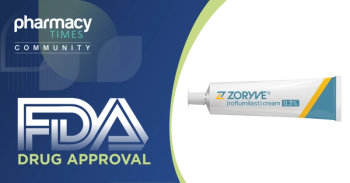
The FDA clears roflumilast, a PDE4 inhibitor, for once-daily steroid-free plaque psoriasis care in kids ages 2+.

FDA Approves Risankizumab for Pediatric Plaque Psoriasis, Psoriatic Arthritis
Published: | Updated:
The approval adds a 55-mg prefilled syringe for weight-based dosing and makes risankizumab the first IL-23 inhibitor cleared for pediatric patients weighing less than 40 kg.

Korean and Asian manufacturers have used bemotrizinol widely in sunscreen formulations for many years.

Student pharmacists boost dermatology literacy in underserved communities, improving sunscreen habits, skin cancer warning recognition, and practical skin health self-care.
Pharmacists guide summer safety with sun protection, heat-illness counseling, and travel health tips—quick advice that prevents serious risks.

Dermatology care for skin of color can be improved by understanding inflammation-driven hyperpigmentation, safer treatments, and addressing education gaps that delay diagnosis and worsen outcomes.

Pharmacists drive acne management by choosing proven OTC ingredients, coaching skin care routines, debunking trends, and knowing when to refer patients to specialists.

This is the second complete response letter the manufacturer has received for this treatment regimen.

New once-daily oral peptide blocks IL‑23 receptor, delivering high skin clearance and strong safety for moderate-to-severe plaque psoriasis in ages 12+.

FDA approves secukinumab for adolescents 12 years and older with moderate to severe hidradenitis suppurativa, offering the first IL-17A option and new hope for earlier relief.

New AAAAI data spotlight oral remibrutinib for CSU, next-generation peanut allergy therapies, infant microbiome prevention, and GLP‑1 receptor agonists linked to fewer asthma flares.
![Patient with hives (chronic spontaneous urticaria [CSU]) -- Image credit: suriya | stock.adobe.com](https://cdn.sanity.io/images/0vv8moc6/pharmacytimes/f7c28cd2ba0b3498c4a0de7219e357228265f4ac-5472x3648.jpg?w=350&fit=crop&auto=format)
Remibrutinib, an oral Bruton tyrosine kinase inhibitor for chronic spontaneous urticaria (CSU), delivers itch and hive relief within 12 hours and sustains improvements through week 1.

Data presented at AAAAI 2026 show tapinarof cream improves sleep for children as young as 2 years with atopic dermatitis, easing nighttime disruption.

The FDA issued a drug safety communication regarding rare but severe pruritus associated with discontinuation of long-term use of cetirizine or levocetirizine.

FDA approves difamilast (Adquey), a topical PDE4 inhibitor, expanding nonsteroidal options for mild to moderate atopic dermatitis in dermatology patients 2 years and older.
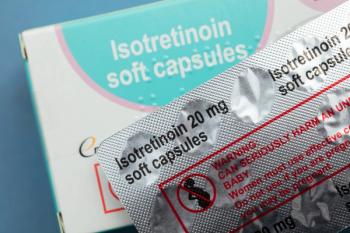
The updates allow for patients of reproductive age to complete pregnancy tests at home during or after treatment.

Learn how workplace triggers, long flares, and new therapies reshape pharmacist-led care for chronic hand eczema.

Rocatinlimab shows promise in treating moderate-to-severe atopic dermatitis, offering significant symptom relief.

Research reveals how eczema's timing and severity influence children's chances of outgrowing food allergies, highlighting the connection between skin health and allergy tolerance.
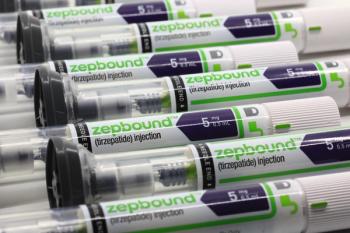
The pivotal clinical trial supports the concomitant administration of tirzepatide and ixekizumab, which significantly improves outcomes for patients with psoriatic arthritis (PsA) and obesity.

Researchers reveal fibroblasts as key players in hidradenitis suppurativa inflammation, paving the way for innovative treatment strategies.

The FDA approves ruxolitinib cream for treating atopic dermatitis in children, offering hope for millions affected by this chronic skin condition.

Explore innovative isotretinoin strategies for acne vulgaris, balancing efficacy and tolerability to enhance patient outcomes and long-term remission.
Advertisement
Advertisement
Trending on Pharmacy Times
1
FDA Approves Bepirovirsen, First ASO for Chronic Hepatitis B
2
Operationalizing Therapy and Managing Hypophosphatemia Risk at UPMC
3
Oncology Pharmacists Reduce Adverse Drug Reactions in Hematologic Cancer Care
4
Recap: Tirzepatide Is Approved to Cut Cardiovascular Risk in Type 2 Diabetes
5