Jillian Fetzner, MSN, APRN-CNP, described how integrating pharmacists into a collaborative practice agreement processed 3750 diabetes refill requests without provider involvement.
Jillian Fetzner, MSN, APRN-CNP, described how integrating pharmacists into a collaborative practice agreement processed 3750 diabetes refill requests without provider involvement.
Dave Dixon, PharmD, breaks down the key cardiovascular and kidney risk management updates in the 2026 ADA Standards of Care and what they mean for pharmacy practice.
Alyson Myers, MD, explains why expanded telehealth access, technology equity, and pharmacist partnerships are essential — not optional.

Real-world adoption of talazoparib plus enzalutamide in metastatic castration-resistant prostate cancer highlights ongoing gaps in homologous recombination (HR) biomarker testing across prostate cancer care.

Erica Marini, PharmD, and guest, Millad Sobhanian, PharmD, BCPS, discuss 3 major Alzheimer disease developments including a newly approved agitation therapy, the delayed FDA decision on lecanemab subcutaneous initiation dosing, and a controversial review on anti-amyloid therapies.
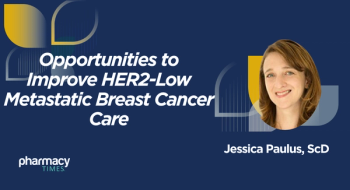
Real-world evidence is helping improve HER2-low metastatic breast cancer care, identify treatment gaps, and better understand patient distress and outcomes.
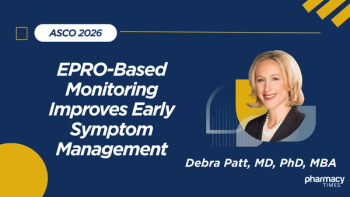
Electronic patient-reported outcome (ePRO) monitoring platforms may improve symptom management, reduce hospitalizations, and help patients remain on cancer therapy longer through earlier intervention and continuous remote support.

GLP-1 receptor agonists may be associated with improved survival outcomes and lower recurrence rates among women with breast cancer, obesity, and type 2 diabetes.
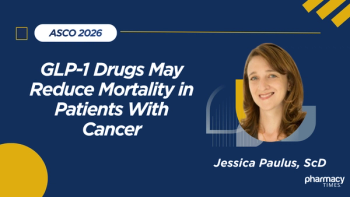
Jessica Paulus, ScD, discusses emerging real-world evidence suggesting GLP-1 receptor agonists may be associated with improved survival outcomes across several cancer types while emphasizing the need for prospective clinical research.
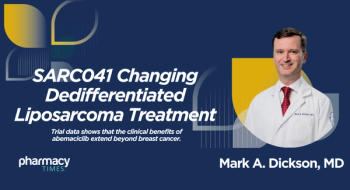
SARC041 data shows the clinical benefits associated with abemaciclib in the treatment of patients with incredibly rare diseases.
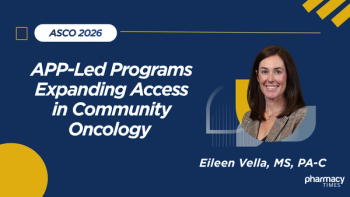
APP-led benign hematology consult programs helped community oncology practices significantly reduce time to first appointment while strengthening interdisciplinary collaboration with pharmacists and physicians.

Emerging evidence links GLP-1 receptor agonists to improved breast cancer outcomes and the growing importance of metabolic health in survivorship care.

Pharmacists play a big role in biomarker testing, patient selection, and counseling on immune checkpoint inhibitor therapy in endometrial cancer.

Researchers discuss how GLP-1 receptor agonists may be associated with improved survival outcomes in breast cancer and what clinicians should consider as use of these therapies continues to grow.
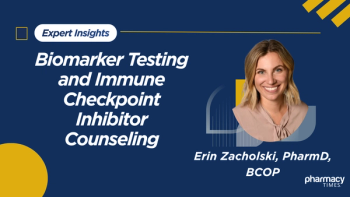
Erin Zacholski, PharmD, BCOP, discusses the critical role of biomarker testing, immune checkpoint inhibitor selection, and pharmacist-led patient counseling in recurrent and metastatic endometrial cancer management.
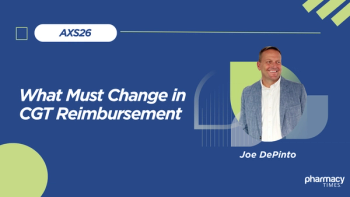
Joe DePinto of McKesson outlines the workflow barriers slowing CGT migration to community oncology, the reimbursement reforms needed to scale access, and the pharmacist’s pivotal role in making it all work.
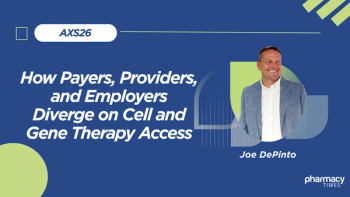
Joe DePinto of McKesson discusses how payers, providers, and employers diverge on CGT reimbursement—and why outcomes-based payment models may hold the key to broader patient access.

Bundibugyo Ebola spreads in DRC and Uganda as the WHO declares a public health emergency of international concern; learn the case counts, travel alerts, and pharmacist readiness steps.

Adding immune checkpoint inhibitors to carboplatin and paclitaxel has become the new frontline standard for advanced or recurrent endometrial cancer.
A board-certified psychiatric pharmacist breaks down how systemic fragmentation, access barriers, and policy gaps are undermining schizophrenia treatment—and what must change.
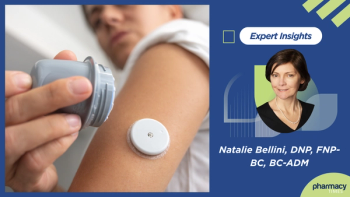
Natalie Bellini, DNP, FNP-BC, BC-ADM, breaks down how updated ADA guidelines have broadened eligibility for continuous glucose monitors, automated insulin delivery systems, and continuous ketone monitoring.
On World Schizophrenia Day, a psychiatric pharmacist details how EHR fragmentation drives medication errors in schizophrenia care, and why provider recognition is essential to fixing it.
Susan Cornell, PharmD, CDCES, FAPhA, FADCES, explains how pharmacists should approach continuous glucose monitoring (CGM) report review and explains why individualized patient education is key.

GLP-1 receptor agonists, molecular profiling, and biomarker-driven treatment strategies may help improve outcomes and personalize care for patients at risk for or diagnosed with endometrial cancer.
Amy Hess-Fischl, MS, RDN, LDN, BC-ADM, CDCES, explains how pharmacists can better leverage underutilized continuous glucose monitoring (CGM) app features and address the education gaps that prevent patients from achieving long-term CGM persistence.
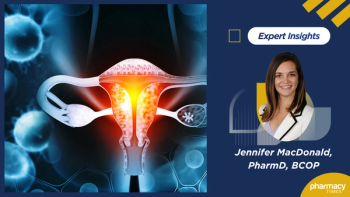
GLP-1 receptor agonists could influence endometrial cancer prevention, obesity management, fertility preservation, and molecularly guided treatment strategies in gynecologic oncology.
Nicole C. Pezzino, PharmD, BCACP, CDCES, explains why reimbursement gaps, workflow constraints, and the emotional burden of wearing a continuous glucose monitor (CGM) are limiting CGM success and how pharmacists can improve outcomes.

Prior authorizations, injection site shortages, and care transition failures are undermining LAI antipsychotic adherence in patients with schizophrenia, one pharmacist explains.
Diana Isaacs, PharmD, BCACP, BC-ADM, CDCES, FADCES, FCCP, explores the most significant advancements in continuous glucose monitoring (CGM) and automated insulin delivery in 2026.

Ashlan Kunz Coyne, PharmD, MPH, discusses treating Pseudomonas–Stenotrophomonas coinfections, co-culture insights, and smart empiric therapy amid rising resistance.