



Cholesterol
Latest News
Advertisement
Latest Videos



Shorts

1:25
Lerodalcibep: Monthly PCSK9 Inhibitor to Lower LDL
a month ago
by
Saro Arakelians, PharmD(+1 more)

1:10
Saro's Scripts: Olezarsen
a month ago
by
Saro Arakelians, PharmD

1:06
New Dyslipidemia Guidelines are Here
a month ago
by
Luke Halpern, Associate Editor

0:34
Why 2026 Will Be a Huge Year for Dyslipidemia Care
4 months ago
by
Joseph J. Saseen, PharmD, BCPS, BCACP, CLS(+1 more)

0:52
Why Pharmacists Are Key to Successful LDL Cholesterol Management
6 months ago
by
Ann Marie Navar, MD, PhD(+1 more)
Podcasts

CME Content



















































































































Advertisement
More News
Lomitapide demonstrated substantial LDL cholesterol reductions in a pivotal trial.

Sheryl L. Chow, PharmD, outlines the pharmacist's evolving role in cardiovascular prevention, heart failure management, and medication adherence during American Heart Month and beyond.
Ann Marie Navar, MD, PhD, explains how enlicitide’s sustained LDL-C lowering, favorable tolerability, and structured dosing may improve adherence and expand oral add-on options for patients not at goal on statins.

The VESALIUS-CV trial demonstrates that adding evolocumab to maximally tolerated statin therapy significantly reduces major cardiovascular events in both high-risk primary and secondary prevention patients.

Full results detailing the safety and efficacy of enlicitide decanoate, an oral PCSK9 inhibitor, were published in The New England Journal of Medicine.
Joseph Saseen, PharmD, explains how persistent cholesterol myths undermine care and why emerging oral proprotein convertase subtilisin/kexin type 9 (PCSK9) inhibitors could expand access to intensive LDL-C lowering.

Multidisciplinary coordination and streamlined workflows enabled rapid patient access to plozasiran after FDA approval at Stony Brook University Hospital.

Multidisciplinary coordination and streamlined workflows enabled rapid patient access to plozasiran after FDA approval at Stony Brook University Hospital.

Ann Marie Navar, MD, PhD, explains how enlicitide decanoate delivers LDL-C reductions comparable with injectable PCSK9 inhibitors, which could improve access to nonstatin therapy for patients not at goal.
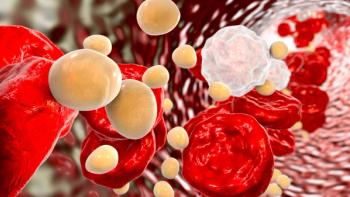
On Chen, MD, and Tahmid Rahman, MD, explain the real-world safety, dosing advantages, and pharmacist-driven identification strategies for patients who may benefit from plozasiran therapy.

Plozasiran offers a novel RNA-based mechanism to significantly reduce triglyceride levels in patients with familial chylomicronemia syndrome.
FDA Grants National Priority Vouchers to Enlicitide Decanoate, Sacituzumab Tirumotecan
Published: | Updated:
The vouchers are intended to speed up review times for drugs that could fill key unmet needs for Americans.

Intravenous laser irradiation of blood shows promise in lowering triglycerides and improving lipid profiles in patients with dyslipidemia.
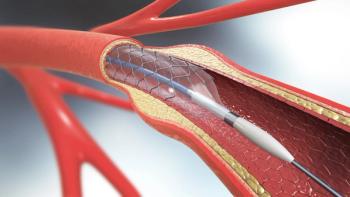
In patients with ST-segment elevation myocardial infarction, lowering low-density lipoprotein cholesterol to optimal levels prevented neoatherosclerosis, a complication following stent implantation.

Lerodalcibep, a new PCSK9 inhibitor, offers a convenient monthly injection to effectively lower LDL cholesterol in patients with hypercholesterolemia.

New research reveals that low cholesterol levels may indicate increased severity in Crohn disease, offering a potential new biomarker for monitoring inflammation.

Implementing a best practice advisory into physicians’ electronic health records improved lipid therapy initiation and diagnoses of hyperlipidemia and hypercholesterolemia.
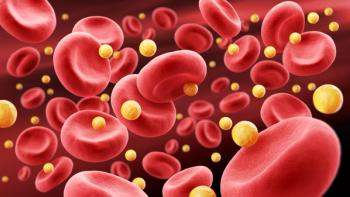
A more significant association with cardiovascular disease (CVD) was observed among individuals with diabetes compared with those without.
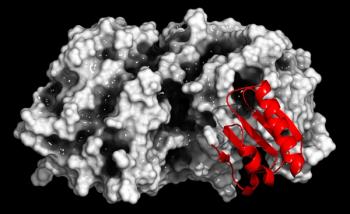
The investigational, oral PCSK9 inhibitor has the potential to significantly reduce low-density lipoprotein cholesterol (LDL-C) in patients with hypercholesterolemia or patients with heterozygous familial hypercholesterolemia.

Young adults with high LDL-C levels face significant gaps in statin initiation and follow-up testing, highlighting urgent needs for improved cardiovascular care.

At 3 and 9 months, inclisiran reduced low-density lipoprotein cholesterol in patients intolerant to statins or proprotein convertase subtilisin/kexin type 9 (PCSK9) inhibitors at rates comparable with those in placebo-controlled trials.
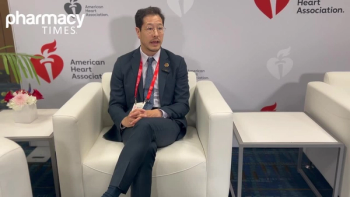
Shoa Clarke, MD, PhD, discusses the need for improved cholesterol testing and treatment in young adults, emphasizing the vital role of primary care teams and pharmacists in early intervention and adherence.
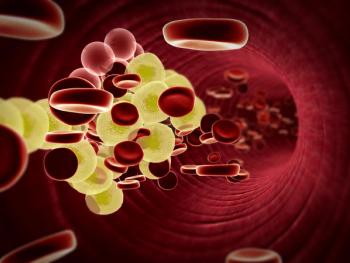
A genomic screening initiative identified patients harboring a familial hypercholesterolemia genetic variation and directed them toward LDL-C-lowering therapies, inducing meaningful reductions.

Survivors of ischemic stroke had a lower risk of major adverse cardiovascular events (MACE) when achieving low levels of low-density lipoprotein cholesterol (LDL-C).
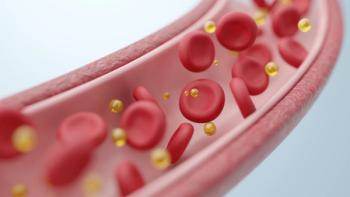
Total cholesterol and triglyceride levels were linked to an increased risk of Alzheimer-related declines in cognitive function, whereas high-density lipoprotein cholesterol provided a protective effect.
Advertisement
Advertisement
Trending on Pharmacy Times
1
The Peptide Reclassification Everyone's Talking About: A Pharmacist's Take on What RFK Jr's Announcement Actually Means
2
ADA 2026: Earlier GLP-1 and SGLT-2 Use Recommended From Diabetes Diagnosis, Expert Says
3
Brain Inflammation May Not Drive Persistent Long COVID Symptoms, New Imaging Study Finds
4
ADA 2026: Semaglutide Add-On Reduces Glycemic Burden, Cardiometabolic Risk in Older Adults With T2D
5