




Sleep
Latest News
Advertisement
Latest Videos







CME Content























































































Advertisement
More News

A systematic review of 23 randomized trials suggests melatonin may modestly reduce musculoskeletal pain and improve sleep, although pharmacists should emphasize uncertain dosing, supplement quality, and the need to use it only as an adjunct to individualized pain care.
Pharmacy Times speaks with Sanjay R. Patel, MD, about the clinical significance of the phase 3 AD109 data and the evolving role of pharmacologic therapy in obstructive sleep apnea.

Apnimed has submitted an NDA for AD109 for obstructive sleep apnea following positive phase 3 results from the SynAIRgy and LunAIRo trials.

Phase 3 SYMPHONY clinical trial data show reboxetine eases narcolepsy type 1 symptoms, improving functional impairment due to excessive daytime sleepiness (EDS) as well as mood symptoms.
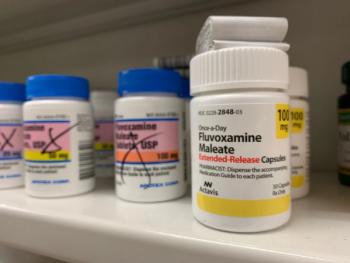
Fluvoxamine significantly reduced fatigue in adults with long COVID, with a 99% probability of outperforming placebo.

A large observational study identifies U-shaped relationship between weekday sleep duration and estimated glucose disposal rate.

Study authors suggest that VA and health care professionals should educate patients on the medical evidence, gaps, policies, and laws related to cannabis.

Pitolisant is now the first and only FDA-approved nonscheduled treatment for cataplexy in pediatric and adult patients with narcolepsy.

The authors suggested that future research investigate emerging blood-based biomarkers and explore temporal associations between sleep duration and Alzheimer disease biomarker changes.
Insufficient sleep significantly impacts life expectancy, highlighting the need to prioritize quality rest for better health and longevity.
GLP-1 receptor agonists expand treatment options for diabetes, weight loss, and more, showing promise in heart failure, kidney disease, and neuroprotection.

Moderate to severe obstructive sleep apnea significantly increases the risk of cerebral microbleeds.

Research highlights the impact of sleep disturbances and vasomotor symptoms (VMS) on HRQoL in women transitioning to menopausal period, emphasizing the need for effective management.

Explore effective strategies for safely discontinuing benzodiazepines and sedative-hypnotics, addressing risks and enhancing patient care in older adults.

In 2 clinical trials, oveporexton shows promise in treating narcolepsy type 1 (NT1), paving the way for potential FDA approval.

In the double-blind portion of Vibrance-1, alixorexton improved wakefulness while eliciting broad benefits in patient-reported outcomes.

Melatonin supplementation could improve oxidative DNA damage repair capacity among night shift workers.

Health care professionals, particularly pharmacists, can recommend that patients take over-the-counter supplements, such as melatonin, to facilitate REM sleep.

Age, frequent snoring, hypertension, and poor glycemic control are associated with excessive daytime sleepiness.

The new approval continues to expand the therapeutic potential of GLP-1 medications such as tirzepatide, now being deemed effective in patients with obstructive sleep apnea.

Treatment for RLS includes lifestyle modifications, medication, and in some cases, non-drug therapies, aiming to reduce symptoms and improve sleep and daytime functioning.

Tryptophan, found in turkey and other foods, affects serotonin and melatonin production.

Insomnia exhibits a dose-response relationship with AF recurrence, indicating that an increased number of insomnia symptoms is associated with heightened probability of AF recurrence.

Low levels of vitamin D was linked with increased obstructive Apnea-Hypopnea Index scores.
FDA Approves Sodium Oxybate to Treat Cataplexy or EDS in Pediatric Patients With Narcolepsy
Published: | Updated:
Patients aged 7 years and older can now be treated for their cataplexy or excessive daytime sleepiness with the extended-release oral formulation.
Advertisement
Advertisement
Trending on Pharmacy Times
1
Nearly Two-Thirds of Patients With Long COVID Meet Diagnostic Criteria for POTS
2
FDA Approves Belzutifan Plus Lenvatinib for Advanced Renal Cell Carcinoma After Immunotherapy
3
After 180 Years, Multiple Myeloma Gets a Definition of Cure
4
Harnessing the Gut Microbiome for Enhanced CAR T Cell Therapy
5