





Pain Management
Latest News
Advertisement
Latest Videos









Shorts


Podcasts



























































































Advertisement
More News

The patch detected fentanyl and automatically delivered dose-responsive naloxone in laboratory and mouse studies, offering a potential strategy for addressing unwitnessed opioid overdoses.

A phase 4 study found that a suzetrigine-based multimodal pain regimen provided favorable postoperative pain control, with 76.1% of patients recovering without opioid rescue medication.

A new study found that first-prescription buprenorphine abandonment nearly doubled from 2020 to 2024.

In a phase 4 study, 90.9% of patients receiving preoperative suzetrigine-based multimodal therapy avoided opioid rescue after aesthetic or reconstructive surgery.

Suzetrigine prescriptions approached 1 million in the first half of 2026 as reimbursed access expanded, signaling growing adoption of nonopioid acute pain treatment.

A cone snail venom–derived peptide selectively inhibited the norepinephrine transporter and reduced inflammatory pain behavior without sedation in mice.
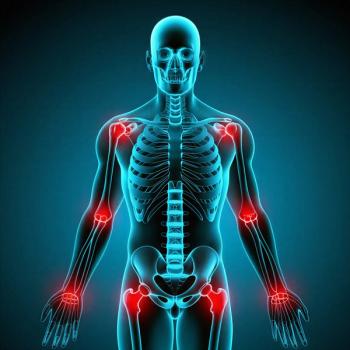
July 2026 brought advances in nonopioid drug development, opioid stewardship, procedural analgesia, cancer pain, pediatric medication safety, and understanding the genetic basis of fibromyalgia.

The FDA approved Tylenol with Naproxen, the first OTC fixed-dose combination of acetaminophen and naproxen sodium, for up to 12 hours of relief from minor aches and pains in patients 12 years and older.

In an interview with Pharmacy Times, Erin J. Walsh, PharmD, RPh, MS, MCST, discusses how VER-01 could reshape the role of cannabis-derived medicines in chronic pain care, the evolving role of pharmacists, and why pharmaceutical cannabinoids and whole-plant cannabis should be viewed as complementary therapeutic options rather than competitors.

Some commonly used treatments for chronic low back pain may offer limited benefit while increasing risks, underscoring the need for pharmacists to support evidence-based, patient-centered care.

Pharmacist-led pathways, multimodal analgesia, and patient-centered opioid stewardship may help improve acute pain management while balancing opioid safety, adequate pain relief, and access to emerging nonopioid options.
In an interview with Pharmacy Times, Brandon Kasberg, PharmD, discusses how pharmacists can help individualize multimodal acute pain regimens, reduce unnecessary opioid exposure, and support safer transitions from inpatient or postoperative care to the outpatient setting.

Emerging data on psychedelics demonstrate efficacy in preventing cluster headaches.

Kasey Malotte, PharmD, BCPS, discusses the new credential’s strengths and areas for growth as well as why a stronger training ecosystem is necessary for long-term impact.

A study published in JAMA Network Open of opioid-naive patients with acute pain found that opioids were typically used in low doses and for short periods, but pain often lasted longer than expected, and leftover medication was common.
Tanya J. Uritsky, PharmD, BCPP, FPPCP, FASHP, discusses multimodal analgesia, acute pain pathways, opioid-tolerant patients, suzetrigine, and pharmacist-led interventions across health systems with Pharmacy Times.

A systematic review of 23 randomized trials suggests melatonin may modestly reduce musculoskeletal pain and improve sleep, although pharmacists should emphasize uncertain dosing, supplement quality, and the need to use it only as an adjunct to individualized pain care.
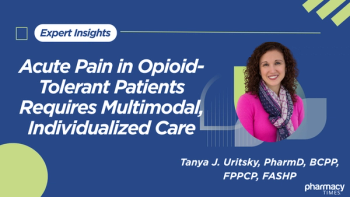
Pharmacy Times interviews Tanya J. Uritsky, PharmD, BCPP, FPPCP, FASHP, on how multimodal, individualized care can improve acute pain management for opioid-tolerant patients and those receiving buprenorphine or methadone.
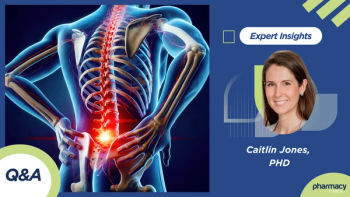
In an interview with Pharmacy Times, Caitlin Jones, PhD, discusses why high-risk, low-benefit treatments for chronic low back pain require greater scrutiny.
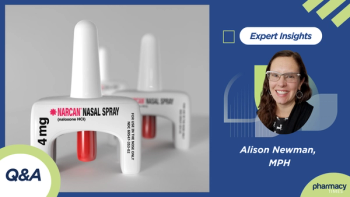
In an interview with Pharmacy Times, Alison Newman, MPH, program operations specialist with the Center for Community-Engaged Drug Education, Epidemiology & Research at the Addictions, Drug & Alcohol Institute at the University of Washington, discusses the significance of OTC naloxone availability and the barriers that remain despite the introduction of additional products.

Pharmacy Times speaks with Caitlin Jones, PHD, on how evidence gaps, opioid dependence, and misaligned incentives can undermine pain care.

Pharmacy Times interviews Alison Newman, MPH, Program Operations Specialist at CEDEER, about who should carry naloxone, common misconceptions surrounding overdose reversal and fentanyl-related overdoses, and the broader strategies needed to reduce overdose deaths.
Pharmacy Times interviews Alison Newman, MPH, Program Operations Specialist at CEDEER, about the FDA's expansion of over-the-counter naloxone access, remaining barriers to availability, and the critical role pharmacists play in overdose prevention and patient education.
Pharmacy Times speaks with Caitlin Jones, PHD, on opioids, spinal cord stimulators, and treatment-related harms in chronic low back pain.

As multimodal analgesia and novel therapies such as suzetrigine expand treatment options, nonopioid approaches are playing an increasingly important role in acute pain management while helping reduce reliance on opioids.
Advertisement
Advertisement
Trending on Pharmacy Times
1
FDA Approves Apitegromab-mstn, First Muscle-Targeted SMA Therapy
2
Pharmacists Can Close the LDL Control Gap in Lipid Care
3
Predictive Models Could Address Missing Data in Advanced Prostate Cancer
4
Ivonescimab Significantly Extends OS Over Pembrolizumab in PD-L1-Positive Advanced NSCLC
5