




COVID-19
Latest News

Advertisement
Video Series

Latest Videos








Shorts

0:43
Why Targeting a Constrained Epitope May Make COVID-19 Monoclonal Antibodies More Durable
6 days ago
by
Michael Mina, MD, PhD(+1 more)
0:48
Inside the LIBERTY Study: Testing mRNA Vaccination and Monoclonal Antibodies Side by Side
15 days ago
by
Michael Mina, MD, PhD(+1 more)

1:01
Can you get 3 vaccines in one day?
8 months ago
by
Allison Hill, PharmD, RPh(+1 more)
1:05
Flu Season Toll Underscores Need for Patient-Focused Communication
8 months ago
by
Allison Hill, PharmD, RPh

0:38
Importance of Open Discussions to Improve Vaccination Uptake
a year ago
by
Jerome Adams, MD, MPH, FASA(+1 more)
Podcasts



Advertisement
More News

Pediatric and obstetric groups expand high-risk criteria and extend vaccination windows as federal vaccine guidance remains unsettled.
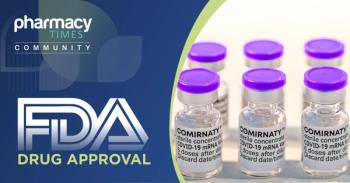
FDA Approves XFG-Adapted COVID-19 Vaccine, mRNA for the 2026-2027 Season
Published: | Updated:
The updated formula targets the JN. 1-lineage XFG variant and begins shipping immediately to pharmacies, hospitals, and clinics nationwide.

A lesser-known viral protein may drive both the hyperinflammation and vascular damage seen in severe and long COVID-19.

Night shift and insomnia may triple long-COVID risk; learn how chronic insomnia and long-COVID links affect health workers and prevention.

New recommendations move noncore shots to shared clinical decision-making, but a court stay keeps day-to-day pharmacy practice unchanged.
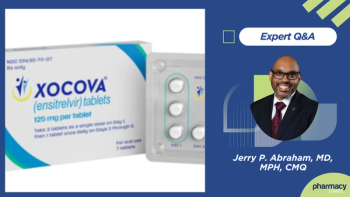
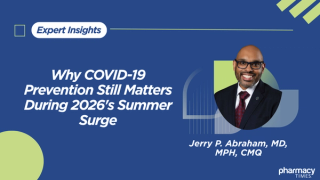
Jerry P. Abraham, MD, MPH, CMQ, discusses the persistent risks of COVID-19 and how a newly approved postexposure prophylaxis option is reshaping pharmacists' role in prevention.
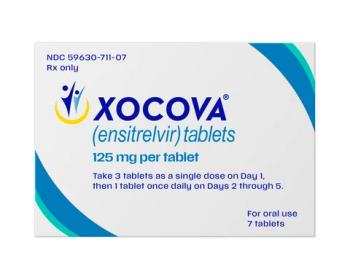
FDA clears ensitrelvir oral postexposure pill to prevent symptomatic COVID-19 after close contact, cutting infections in household trial with comparable safety.
Australian trial shows bivalent mRNA COVID-19 booster lifts antibodies more than protein vaccine, yet both cut infection similarly over 12 months.

New PET imaging data show reduced dopamine nerve terminal density in patients with long COVID, correlating with fatigue, motor slowing, and memory problems.

The authors said these data support the safety of current coadministration practice.
COVID-19 boosters can also neutralize certain bat and pangolin coronaviruses, while immune "imprinting" from a person's first viral exposure limits how well that protection adapts to newer variants.
Interim data, briefly held back from the CDC’s weekly report, show the reformulated shot added meaningful protection even among adults with substantial existing immunity.
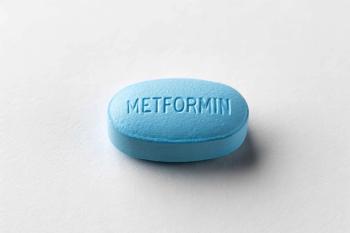
The findings add to a growing body of evidence supporting metformin's role as a preventive strategy against postacute sequelae of COVID-19.

Temperature differences between exhaled air and ambient environments significantly affect how respiratory aerosols disperse.

PET scans show long COVID mood and brain fog link to limbic activity, not widespread brain inflammation, reshaping COVID-19 treatment targets.
The FDA approved the oral antiviral ensitrelvir (Xocova; Shionogi & Co, Ltd) for post-exposure prophylaxis (PEP) of COVID‑19 in adults and adolescents 12 years and older.
New household data show recent COVID-19 shots cut at-home spread by 43%, strengthening pharmacist counseling on staying up to date.
A large prospective cohort study offers pharmacists and clinicians new data to consider when counseling patients on the long-term value of early antiviral treatment.
The drug is currently under priority review by the FDA with a final decision expected by June 16, 2026.

Phase 3 SCORPIO-PEP trial shows ensitrelvir cuts symptomatic COVID-19 after household exposure, boosting postexposure prophylaxis options for high-risk patients.
A new study describes the high symptom burden carried by pediatric long COVID patients and highlights integrative medicine's role in their care.
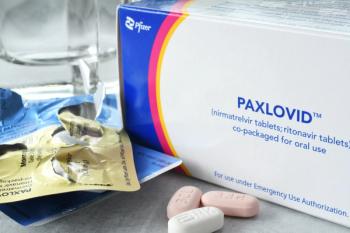
New trials show Pfizer’s Paxlovid (nirmatrelvir-ritonavir) speeds COVID-19 recovery in vaccinated patients, while hospitalization benefits fade.

New Yale University research offers reassurance for pregnant patients and their clinicians, although evidence of lasting structural damage remains a concern.

Post–COVID-19 access gaps fuel unsafe, unregulated Botox and cosmetic injections; trained pharmacists can deliver regulated botulinum toxin injectables through voluntary specialization.
Early immune signals can program longer-lasting lung-resident T cells—a potential breakthrough for influenza and COVID-19 vaccine design.
Advertisement
Advertisement
Trending on Pharmacy Times
1
FDA Approves Bepirovirsen, First ASO for Chronic Hepatitis B
2
Operationalizing Therapy and Managing Hypophosphatemia Risk at UPMC
3
Oncology Pharmacists Reduce Adverse Drug Reactions in Hematologic Cancer Care
4
Fall 2026 Quiz: Test Your Pharmacy Knowledge!
5