





Gastrointestinal Health
Latest News
Advertisement
Latest Videos





Advertisement
More News

This year’s guide, compiled from a national survey of 1700 practicing pharmacists, identifies the top recommended brands across 145 product categories, ranging from pediatric care to pain relief.
Findings presented at the 2026 Joint ASTCT + EBMT Basic and Translational Scientific Meeting offer potential therapeutic targets to reduce GI toxicity and GVHD.

Patients with CKD and GERD who initiated P-CABs had a 37% lower risk of needing renal replacement therapy.

AACR data show tumor molecular profiling finds actionable PIK3CA in breast and colorectal cancer, while ctDNA adds real-time monitoring in oncology.

Explore OTC case studies focused on pain management.
FDA approval of linerixibat brings the first targeted oral relief for cholestatic pruritus in primary biliary cholangitis, easing relentless autoimmune itch fast.

A preclinical mucosal C difficile vaccine clears spores and prevents recurrence in animals, hinting at new protection for high‑risk patients.

H. pylori requires diagnosis, antibiotic- and acid-suppression-based therapy, and post-treatment eradication confirmation to prevent gastritis and cancer.


Findings from a meta-analysis reveal biosimilars for inflammatory bowel disease (IBD) offer similar efficacy and safety and maintained remission rates as their reference products.

The FDA approved durvalumab with FLOT chemotherapy, revolutionizing treatment for early gastric and gastroesophageal junction cancers, enhancing survival rates.

Linaclotide has been approved to treat patients 7 years and older with irritable bowel syndrome with constipation, becoming the first treatment for this indication in this age group.

The approved indication now includes adults with moderately to severely active ulcerative colitis and Crohn disease who have not been treated with tumor necrosis factor blocking agents.
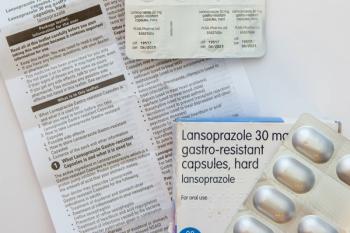
As one of the most prescribed medications worldwide, proton pump inhibitor use could serve as a bulwark against severe outcomes in hospitalized adults with COVID-19.
This is the first pediatric FDA approval for golimumab, according to the manufacturer.

The RNA interference therapy indicated that, along with its therapeutic benefits in cardiomyopathy transthyretin-mediated amyloidosis (ATTR-CM), there was a reduced risk of GI events.

Discover effective strategies for managing opioid-induced constipation, including the role of PAMORAs and pharmacist involvement in pain management.

Herzuma shows promising efficacy and safety as a cost-effective biosimilar for treating HER2+ advanced gastric cancer, offering new hope for patients.

Durvalumab continues to demonstrate efficacy in a variety of cancers, with new data from the phase 3 MATTERHORN trial solidifying its use with chemotherapy in gastric cancer.

The study found biosimilar initiation rose to nearly 42% from 2016 to 2023.

Clostridioides difficile (C difficile) represents a serious public health threat, with pharmacists and advocacy organizations playing critical roles in prevention, education, and management.

Compared with placebo, patients with cholestatic pruritus and primary biliary cholangitis (PBC) receiving linerixibat experienced improved itch and sleep interference.
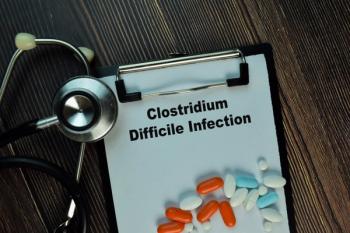
Pharmacists can promote prevention through the implementation of antimicrobial stewardship initiatives and advocate for fecal microbiota transplant.

The new indication for guselkumab in Crohn disease builds off a previous approval in ulcerative colitis, providing patients a treatment option for the major forms of inflammatory bowel disease.
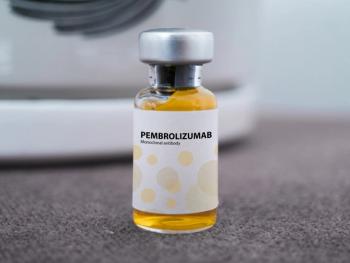
The combination was approved for treatment of patients with gastroesophageal junction (GEJ) adenocarcinoma.
Advertisement
Advertisement
Trending on Pharmacy Times
1
Operationalizing Therapy and Managing Hypophosphatemia Risk at UPMC
2
FDA Approves Bepirovirsen, First ASO for Chronic Hepatitis B
3
Kidney Week 2026: What to Know for Nephrology's Biggest Meeting
4
CagriSema Tied to 25% Weight Loss in Women, Post Hoc Data Show
5