





Hepatitis/MASH
Latest News

Advertisement
Latest Videos







Shorts

CME Content































































































































Advertisement
More News

Metabolic dysfunction-associated steatotic liver disease (MASLD) affects 1.3 billion people globally, driven by metabolic disease trends, highlighting urgent needs for earlier detection, prevention, and pharmacist-led intervention.

Long-acting HIV injections and twice-yearly PrEP reshape care, while pharmacists tackle stigma, insurance hurdles, and adherence to close access gaps.

In patients with diabetes, liver stiffness testing flags hidden MASLD fibrosis and sharply higher death risk.

Stable HCV E1E2 proteins on self-assembling nanoparticles spark strong mouse antibodies, advancing a long-sought hepatitis C vaccine.

New evidence affirms hepatitis B birth-dose safety as the CDC makes it optional.

Bepirovirsen shows promise as a groundbreaking treatment for chronic hepatitis B, achieving significant functional cure rates in recent phase 3 trials.

A severe yet often overlooked coinfection with hepatitis B, hepatitis D progresses rapidly—but new therapies are beginning to reshape a long-limited treatment landscape.

The Advisory Committee on Immunization Practices (ACIP) voted to recommend individual-based decision-making for parents when deciding when or if to give their child the birth dose of the hepatitis B virus vaccine.

GLP-1 receptor agonists expand treatment options for diabetes, weight loss, and more, showing promise in heart failure, kidney disease, and neuroprotection.

FDA approves semaglutide for treating MASH, offering new hope for affected individuals.

WHO reclassifies hepatitis D as carcinogenic, urging global action to combat viral hepatitis and reduce liver cancer risk.
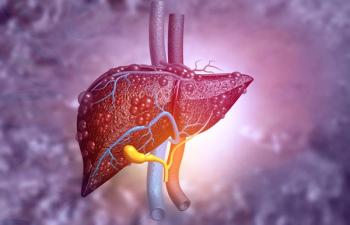
Patients should be supported by a multidisciplinary team, frequent evaluations, and behavioral therapy for optimal care.
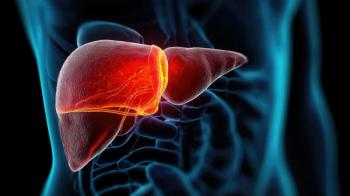
High levels of remnant cholesterol were associated with increased risk of developing metabolic dysfunction-associated steatotic liver disease (MASLD) independent of low-density lipoprotein cholesterol (LDL-C).

Challenges faced by individuals living with HIV include weight gain, cardiovascular risks, and healthy aging strategies.
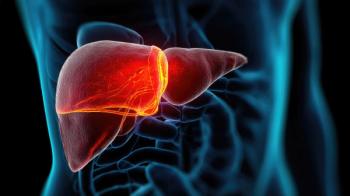

Y-90 resin microspheres offer a new option for patients with liver cancer for the treatment of unresectable hepatocellular carcinoma.

The expansion marks glecaprevir/pibrentasvir as the first and only indicated direct-acting antiviral approved for acute hepatitis C virus (HCV) infection.

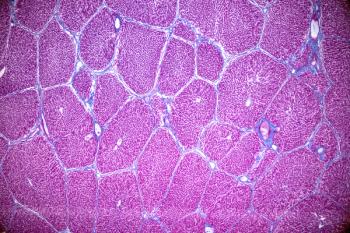
The investigators suggested that blocking VPS72’s interactions can be a foundation for future therapeutic interventions.

New treatments for metabolic dysfunction-associated steatohepatitis (MASH)–related cirrhosis address unique challenges in drug development.
The test offers health care professionals a simple and efficient method of identifying patients with liver fibrosis of varying severity.

The authors believe the results may serve as a foundation for hepatitis D virus (HDV) testing among hepatitis B virus surface antigen (HBsAg)-positive specimens.

A pharmacist champion enhances access to resmetirom for treating MASH, demonstrating the importance of coordinated specialty care in medication approval.
About 62.9% of patients with metabolic dysfunction–associated steatohepatitis (MASH) receiving semaglutide experienced resolution of steatohepatitis without worsening of fibrosis.

In chronic hepatitis B (CHB) mouse models, the ferritin nanoparticle-preS1 (ferritin-NP-preS1) with small interfering RNA (siRNA) showed 100% and sustained serum HBsAg over an approximate 11-month period.
Advertisement
Advertisement
Trending on Pharmacy Times
1
The Peptide Reclassification Everyone's Talking About: A Pharmacist's Take on What RFK Jr's Announcement Actually Means
2
ADA 2026: Earlier GLP-1 and SGLT-2 Use Recommended From Diabetes Diagnosis, Expert Says
3
Brain Inflammation May Not Drive Persistent Long COVID Symptoms, New Imaging Study Finds
4
ADA 2026: Semaglutide Add-On Reduces Glycemic Burden, Cardiometabolic Risk in Older Adults With T2D
5