




Gastrointestinal Cancer
Latest News
Advertisement
Latest Videos




Podcasts

CME Content

























































































































Advertisement
More News
A cohort study of over 6 million US veterans revealed a 76% increased risk of pancreatic cancer following chronic hepatitis C infection.

The FDA approved durvalumab with FLOT chemotherapy, revolutionizing treatment for early gastric and gastroesophageal junction cancers, enhancing survival rates.

New research links oral bacteria and fungi to pancreatic cancer risk, suggesting oral microbiota as potential noninvasive biomarkers for early detection.

New research uncovers how smoking accelerates pancreatic cancer progression through immune mechanisms, revealing potential for targeted therapies and improved screening.

Recent advances in GI oncology offer new treatment options for colorectal and pancreatic cancers, enhancing patient care and pharmacist roles in management.

Herzuma shows promising efficacy and safety as a cost-effective biosimilar for treating HER2+ advanced gastric cancer, offering new hope for patients.

Durvalumab continues to demonstrate efficacy in a variety of cancers, with new data from the phase 3 MATTERHORN trial solidifying its use with chemotherapy in gastric cancer.

The fibroblast growth factor receptor 2b (FGFR2b)-inhibiting bemarituzumab demonstrated improvements in overall survival and other key secondary end points compared with placebo in first-line gastric cancer.

Y-90 resin microspheres offer a new option for patients with liver cancer for the treatment of unresectable hepatocellular carcinoma.
At the 2025 Oncology Pharmacists Connect (OPC) meeting, Courtney Cavalieri, PharmD, BCOP, presented clinical trial findings in gastrointestinal (GI) cancers—including colon, gastric, pancreatic, and metastatic colorectal cancer—that highlight the expanding role of immunotherapy and targeted treatments.
The FDA approves retifanlimab for advanced anal cancer, offering new hope with improved survival rates and treatment options for patients.


The FDA approves zanidatamab for HER2-positive biliary cancer, improving treatment options.
Patients with unresectable or metastatic hepatocellular carcinoma (HCC) receiving this regimen had favorable median overall survival (23.7 months) compared with standard of care (20.6 months).

The approval was based on efficacy and safety data from a randomized, 3-arm, open-label phase 3 CHECKMATE-8HW trial.

The antibody-drug conjugate is currently undergoing evaluation in a phase 1 trial that enrolled patients with pancreatic cancer and squamous non-small cell lung cancer (NSCLC).

Patients achieved statistically significant benefits in progression-free survival and overall response rates.
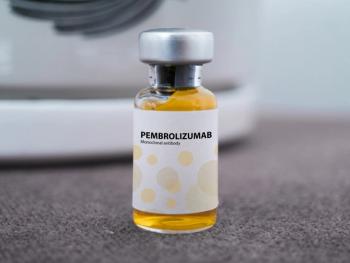
The combination was approved for treatment of patients with gastroesophageal junction (GEJ) adenocarcinoma.

Tislelizumab-Jsgr Plus Chemotherapy Receives FDA Approval for Advanced Esophageal Squamous Cell Carcinoma
Published: | Updated:
The decision is based on clinically meaningful results from a phase 3 trial.

The test offers an accurate, fast, low-cost, and noninvasive tool for early diagnosis of pancreatic ductal adenocarcinoma.

Lu-edotreotide (ITM-11; ITM) met its primary endpoint of prolonging progression-free survival (PFS).
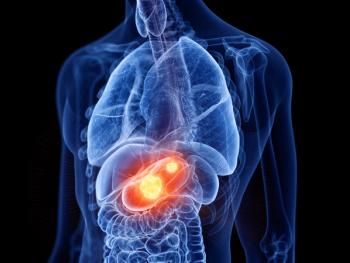
The trial meets one of the study’s dual primary endpoints of progression-free survival, but did not meet its other primary endpoint of overall survival.

Boosting ursodeoxycholic acid (UDCA) levels through dietary supplementation was shown to control tumor growth in mice with liver cancer.

The designation follows positive phase 2a trial results (NCT05104853) presented at the 2024 AASLD The Liver Meeting.

Tislelizumab is approved in combination with platinum and fluoropyrimidine-based chemotherapy as first-line treatment of unresectable or metastatic HER2-negative tumors.
Advertisement
Advertisement
Trending on Pharmacy Times
1
The Peptide Reclassification Everyone's Talking About: A Pharmacist's Take on What RFK Jr's Announcement Actually Means
2
ADA 2026: Earlier GLP-1 and SGLT-2 Use Recommended From Diabetes Diagnosis, Expert Says
3
Brain Inflammation May Not Drive Persistent Long COVID Symptoms, New Imaging Study Finds
4
ADA 2026: Semaglutide Add-On Reduces Glycemic Burden, Cardiometabolic Risk in Older Adults With T2D
5