
Regulatory action could help patients with Hunter syndrome who have cognitive and behavioral complications and often do not have an effective treatment crossing the blood-brain barrier.
Regulatory action could help patients with Hunter syndrome who have cognitive and behavioral complications and often do not have an effective treatment crossing the blood-brain barrier.

As an investigational monoclonal antibody, posdinemab targets the mid-domain of AD-specific phosphorylated tau.
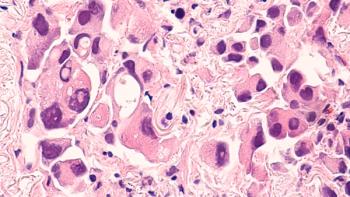
Sunvozertinib was originally approved in China, making it the world’s first and only oral treatment for these patients.

The tablets are indicated for treatment of adults with chronic idiopathic constipation, with further research needed to assess efficacy and safety in children.

If approved, the combination of avutometinib with defactinib could be the first FDA-approved treatment option for low-grade serous ovarian cancer.

Backed by positive results in multiple clinical trials, a new drug application (NDA) has been submitted for relacorilant for consideration by the FDA.

The regulatory decision marks a significant step forward in the treatment of non-tuberculous mycobacteria infections.

Tislelizumab is approved in combination with platinum and fluoropyrimidine-based chemotherapy as first-line treatment of unresectable or metastatic HER2-negative tumors.
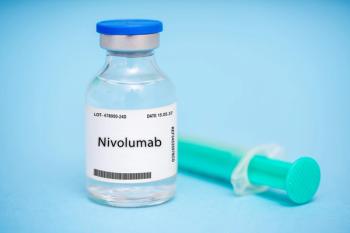
The approval offers patients with solid tumors an alternative to intravenous PD-1 inhibitor administration.

Some outsourcers and pharmacies have capitalized on the shortages, producing compounded versions.


Despite the explosion of public interest in these drugs, ongoing shortages and debates over compounding made access difficult.

Currently available for prescription in the United States, vibegron is now the first and only β3 agonist FDA approved to treat patients living with OAB and being treated for BPH.
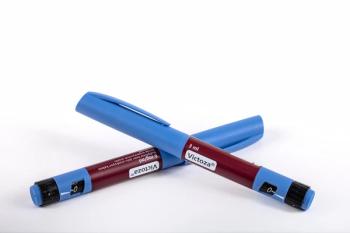
The approval of the generic to liraglutide injection, currently in shortage, could help increase patient access to the type 2 diabetes treatment.

Concizumab-mtci is a subcutaneous, monoclonal antibody designed to achieve hemostasis in all hemophilia types.

The nasal spray label resembles that of the FDA-approved epinephrine injection, leading to potential dosing errors.

VGT-1849A could reduce JAK2 activity, lessening the disease burden faced by individuals with PV while providing a favorable safety profile.

Clinical trials will seek to evaluate the immunogenicity and safety of the LBT-SA7 vaccine.
The approval comes after clinical trial results in which vanzacaftor/tezacaftor/deutivacaftor (Alyftrek; Vertex Pharmaceuticals) demonstrated superiority compared with elexacaftor/tezacaftor/ivacaftor and ivacaftor (Trikafta; Vertex Pharmaceuticals).
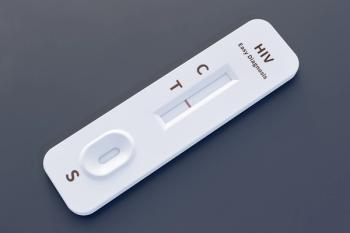
OraQuick was the first at-home HIV test kit to be approved by the FDA in 2012.

The new approval continues to expand the therapeutic potential of GLP-1 medications such as tirzepatide, now being deemed effective in patients with obstructive sleep apnea.

Vanzacaftor/tezacaftor/deutivacaftor (Alyftek) also received approval for the treatment of cystic fibrosis in people 6 years and older who have at least 1 F508del mutation.

Setmelanotide is indicated to reduce excess body weight and maintain weight reduction long-term for patients with syndromic or monogenic obesity due to Bardet-Biedl syndrome.

The decision is based off favorable results from the BREAKWATER trial.

Compounding pharmacies have a 60- to 90-day grace period to complete production as it continues to monitor supply and demand.
The approval follows positive results from the V005 (NCT03005418) clinical trial.

The rare genetic disease is a severe hypertriglyceridemia that can lead to potentially life-threatening acute pancreatitis.

Duloxetine is a commonly prescribed medication used to treat anxiety, depression, and other mental health disorders.

The indication is for patients with locally advanced or metastatic disease who have not previously received treatment with an ALK-inhibitor.

The approval makes remestemcel-L-rknd the first approved mesenchymal stromal cell in the United States.