


















The My GI Health tool tracks symptoms of gastroesophageal reflux disease over time, helping clinicians save time and improve patient care.
The My GI Health tool tracks symptoms of gastroesophageal reflux disease over time, helping clinicians save time and improve patient care.
Providing patients with information is key to helping them manage sickle cell disease pain.
The community pharmacist's life is about to get a lot more difficult.

Updated REMS attempts to stem the flow of extended-release, long-acting opioids to addicts while ensuring patients in severe pain retain access.

A University of Kentucky pharmacy professor has developed a nasal spray of naloxone (Narcan) to treat potentially fatal overdoses from heroin and prescription opioids.
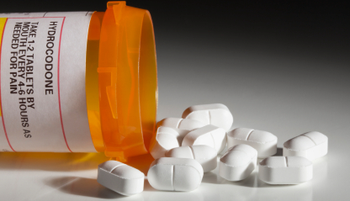
Drugs that contain hydrocodone will be moved to a more restrictive category of the Controlled Substances Act.
Aspirin not only prevents the production of pain-causing compounds in the body, but also triggers an enzyme to speed the reduction of inflammation.
Galleon Pharmaceuticals Corp's GAL-021 reverses and prevents respiratory depression associated with opioid use without affecting analgesia.
The Drug Enforcement Administration has officially placed tramadol, a centrally acting opioid analgesic, into schedule IV of the Controlled Substances Act.

Fall and injuries in the elderly may be attributed to many popular prescription medications.
In this age group, such hospitalizations surged 104% between 2005 and 2011.

In 2012 alone, US health care providers wrote 82.5 opioid and 37.6 benzodiazepine prescriptions per 100 persons.
For patients who respond poorly or incompletely to opioids, ketamine may be the answer.
Each patient's breakthrough pain has a unique mix of clinical features, just as each patient's clinical experience of chronic pain differs.
Just 20 or 30 years ago, mention of vitamin supplementation caused many health care professionals to talk about creating "expensive urine." Today, however, vitamin and nutrient supplementation has become an important health care intervention.
Left untreated, joint pain can significantly interfere with an individual's level of activity and daily routine.

The portion of pregnant Medicaid beneficiaries who received a prescription for an opioid painkiller increased from 18.5% in 2000 to 22.8% in 2007, according to the results of a new study.