



























Top news of the day from across the health care landscape
Top news of the day from across the health care landscape

“The central problem in heart failure is not that patients are short of breath or retain fluid. The problem is that they die.”

The findings of a retrospective study suggest that timing of heart failure (HF)-related pharmacotherapy following a HF-related encounter has potential implications on subsequent healthcare costs.
This may be the first drug shown to reduce mortality in the HFpEF population in the United States but will hopefully not be the last.
A number of landmark clinical studies on lipid lowering and cardiovascular health have been published, shaping how patients are treated.

Large clinical trial shows no increase in adverse events from treatment with aspirin for heart failure.

Even small weight gain may change the structure of the heart.

While overall hospitalizations for heart failure decreased, problems persist among minority populations.
This article highlights 5 published case reports that document unusual drug overdoses.

Investigational cancer drug blocks inflammation and fibrosis in heart cells.

Beta blockers may be unnecessary for patients who experienced a heart attack and did not develop heart failure.

Many cases of congenital heart disease go undetected until adulthood, and are discovered after heart failure develops or an arrhythmia causes sudden cardiac death.
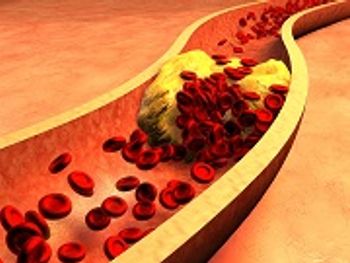
During the last 4 decades, the epidemiologic characteristics of acute myocardial infarction have changed.


Dysbiosis of gut bacteria is a factor in several diseases, possibly including heart failure.

Data are limited about the safety of and effects of exercise on patients heart failure with atrial fibrillation.
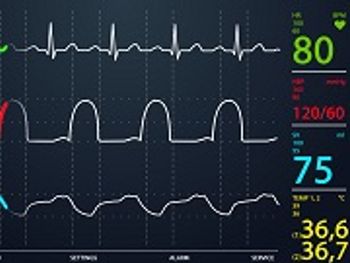
Study examines whether treating systolic blood pressure of more than 120 mmHG reduces the risk of acute decompensated heart failure.

Many patients have low adherence to statins more than 2 years after a heart attack.

Atrial fibrillation is also more commonly the etiology behind stroke in women than in men.

Stem cell patch observed to reduce heart failure-related hospitalizations.
Increasing phosphate binding to a protein receptor could increase cardiac output in patients with heart failure.
ACC/AHA guidelines recommend statin treatment to a greater proportion of African Americans.

Heat failure (HF) caused 1 in 9 deaths in the United States in 2009.

MR-perfusion guided management for stable angina patients is non-inferior compared with invasive angiography and fractional flow reserve.

Overweight individuals with high activity levels not observed to have increased risk of cardiovascular disease.