



























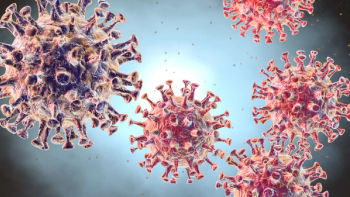
Researchers at the Rensselaer Polytechnic Institute recently published a study on the use of the FDA-approved anticoagulant heparin in patients with COVID-19.
Researchers at the Rensselaer Polytechnic Institute recently published a study on the use of the FDA-approved anticoagulant heparin in patients with COVID-19.

Top news of the week from Pharmacy Times®.

COVID-19 pandemic highlights how supplements can help improve the body’s defense system.

Contrary to earlier statements from the CDC, study suggests corticosteroid inhalers used by many asthmatics might make it more difficult for COVID-19 to enter the airways.

Promoting an environment that allows for rapid problem-solving and execution under high stress is essential to face problems that are poorly understood and yet require rapid change.
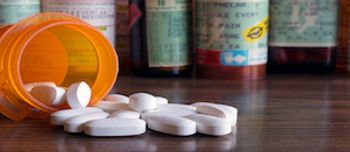
The pandemic is exacerbating many of the conditions that contribute to relapse or people using substances just to cope, including unemployment, stress, fear, anxiety, and isolation.

The results of the study found that adults who experienced 4 common symptoms of anxiety and depression have upwards of 2 times greater risk of delaying medical care or not receiving needed non-COVID-19 medical care amidst the pandemic.

The action is part of a growing movement to expand the ability of pharmacists and pharmacy staff to meet the needs of patients during the COVID-19 pandemic.

In a statement, CEO B. Douglas Hoey emphasized the important role pharmacists will play in distributing the vaccine once available.

Pharmacists can help manage medication-related problems to improve health outcomes during the pandemic.

Necessary measures taken during the pandemic may exacerbate some underlying factors that can lead to decline.
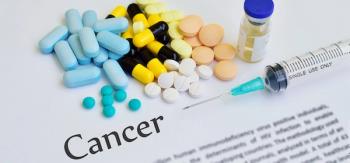
In a Pharmacy Times® webcast, Katie Culos, PharmD, BCOP, a specialist in cellular therapy and hematology discussed with Katherine Lin, PharmD, BCPS, BCOP the many policies and procedures that have been implemented during the COVID-19 pandemic by providers for cancer care.

In a survey of nearly 2000 physicians across 31 countries, nearly half of the physicians indicated that they see significant barriers to COVID-19 vaccine adoption for themselves and their adult patients.

Although the adverse effects of the lockdown were inevitable for cardiology patients, increased technology services may offer an opportunity for expanded patient access.
The Pharmacy Times® Pharmacy Focus podcast provides the latest industry news and information, thought-leader insights, clinical updates, patient counseling tools, and innovative solutions for the everyday practice and business of pharmacy.

Top news of the week from Pharmacy Times®.
Many clinical trials are underway in a race to develop a safe and effective vaccine against severe acute respiratory SARS-CoV-2, the virus that causes COVID-19.

Although researchers are testing modifications of a drug used to cure a fatal coronavirus found in cats, it shows enough action against SARS-CoV-2 to proceed to clinical trials.

According to the study authors, with a higher antigen valency, antibodies have more sites to latch onto; however, including a higher antigen valency in a vaccine does not mean it will work better.

At the Smilow Cancer Hospital, oncology pharmacists play an important role in the delivery of care for patients with cancer.

The patients were identified for testing through contact tracing or by developing symptoms, with 22% never developing symptoms, 20% initially asymptomatic but developing symptoms later, and 58% being symptomatic at their initial test.

Although 68% of adults say they get a flu vaccine at least some years, poll results found that younger adults and Black Americans are significantly less likely.

Necessary measures taken during the pandemic may exacerbate some underlying factors that can lead to decline.

In a Pharmacy Times' webcast on immunization practices during the pandemic, thought leaders discussed considerations and best practices regarding the administration of vaccinations.
In a viewpoint article published in JAMA, researchers proposed reforms that could improve the authorization and approval process during public health crises to increase the public’s trust in the agency.