



















Engaging in discussions with patients at high risk of complications from COVID-19 without seeming patronizing is an important skill that many pharmacists should practice.
Engaging in discussions with patients at high risk of complications from COVID-19 without seeming patronizing is an important skill that many pharmacists should practice.

Some pertinent information pharmacists should know about oral semaglutide

Two case studies have highlighted the use of tele-diabetes to manage new-onset type 1 diabetes (T1D) cases in an adult and an infant during the coronavirus disease 2019 (COVID-19) pandemic.
Patients with type 2 diabetes (T2D) do not secrete enough insulin and secrete too much glucagon, contributing to poor blood glucose because the glucagon-secreting α-cells have become resistant to insulin.

Statin therapy is known to reduce the risk of cardiovascular events, and guidelines recommend them in all patients with diabetes.
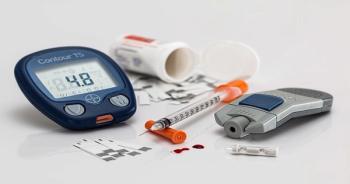
Obesity increases the risk of developing type 2 diabetes by at least 6 times, regardless of genetic predisposition, according to a recent study.

Individuals with type 2 diabetes (T2D) who also experience coronary artery disease (CAD) may need to be treated more aggressively than those with coronary artery disease who do not have diabetes.
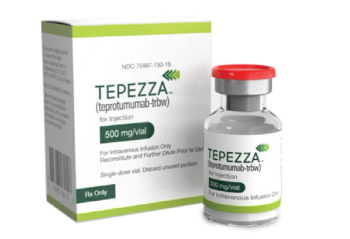
Rx products features in the April 2020 issue.

New research has found that hospitalized patients with COVID-19, diabetes, and/or uncontrolled hyperglycemia have significantly higher mortality rates.

The objective of the study was to evaluate the association between birth by cesarean delivery with the offspring's risks of obesity and type 2 diabetes in adulthood.

Individuals with type 1 diabetes, specifically those with poor glycemic control, are at an greater risk for cardiovascular disease than the general population, according to a study by Joslin Research.
Research from Wuhan, China, found that those with diabetes and high blood pressure were overrepresented among severely ill patients and those who have passed away from COVID-19.
In response to the financial crisis driven by the coronavirus disease 2019 (COVID-19) pandemic, drug manufacturers are aiming to increase access to insulin products.
Adult patients with type 2 diabetes requiring insulin therapy can safely achieve good blood sugar control using regular human insulin in a wearable, patch-like insulin delivery device called V-Go.

School closures during the COVID-19 epidemic raises unique challenges regarding the benefits weighed against the costs of resulting health care worker absenteeism.

In addition to differing symptom presentations and health challenges during the COVID-19 pandemic, caretakers and medical professionals should be aware of older adults’ mental and emotional health.
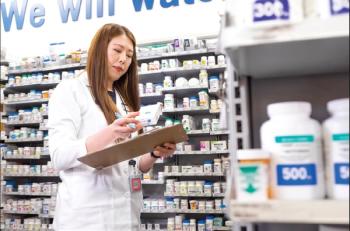
Key best practices for protecting pharmacy personnel during the COVID-19 pandemic.

The waivers were approved within days of the states' submissions.

Curtis E. Haas, PharmD, FCCP, editor-in-chief of Pharmacy Times: Directions in Health-System Pharmacy, and chief pharmacy officer for the University of Rochester’s health care system, discusses preparation for potential patient surge due to COVID-19.

Today’s pharmacy hero is Diane Berkley, CPhT. In addition to working full time at a local hospital during the day, Berkley also works part-time at a community pharmacy.

The FDA has issued a statement regarding action to help increase the supply of ventilators, ventilator tubing connectors, and ventilator accessories during the COVID-19 pandemic.

Top news of the week from Pharmacy Times® surrounding the novel coronavirus.

The FDA has issued a complete response letter for the supplemental New Drug Application of the investigational medicine empagliflozin 2.5 mg as an adjunct to insulin for adults with type 1 diabetes.

The EUA designation allows the test to be used to detect SARS-CoV-2, the virus that causes COVID-19, for the duration of the continuing pandemic.

Here is an overview of reported investigations of existing medications.