

The antibody drug conjugate was used in combination with the anti-cancer drug SG3249, and demonstrated efficacy in mouse models after 1 week.
The antibody drug conjugate was used in combination with the anti-cancer drug SG3249, and demonstrated efficacy in mouse models after 1 week.

Scott Soefje, PharmD, BCOP, FCCP, FHOPA, MBA, addresses some of the key steps pharmacists should take when conducting a financial analysis for cancer drugs.

Whitney Lewis, PharmD, BCOP, discusses how the treatment armamentarium for NSCLC has expanded in recent years and the associated cause for this acceleration.
Kirollos Hanna, PharmD, BCPS, BCOP, FACCC, addresses some of the considerations for bispecifics in relation to facility readiness at different sites and among different stakeholders.

Danielle Roman, PharmD, BCOP, discusses how the role of the oncology pharmacist has changed in recent years in optimizing early-stage breast cancer treatment with targeted therapies.

Karen Fancher, PharmD, BCOP, discusses some guiding principles for oncology pharmacists when facing ethical dilemmas and provides some recommendations for navigating those challenges.
The results demonstrated similar overall survival between patients with chronic lymphocytic leukemia who discontinued specialized follow-ups versus those who continued.
The indication is for adult patients with multiple myeloma who are refractory to lenalidomide and have previously received at least 1 line of therapy.
Venetoclax, which is approved for leukemia, blocks a function of the BCL-2 protein and has previously shown efficacy in a small proportion of patients with multiple myeloma.

This is the fifth indication for fam-trastuzumab deruxtecan-nxki (Enhertu; Daiichi Sankyo and AstraZeneca) approved by the FDA.

There are unique complexities when implementing bispecific antibodies, including site of care considerations, monitoring, and management of adverse events.
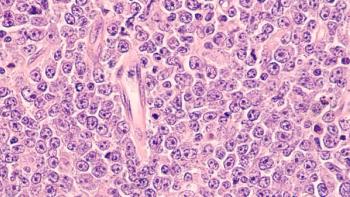
These FDA-approved therapies are used to treat lymphoma after 2 or more lines of therapy and represent significant advancements in the treatment of lymphoma.
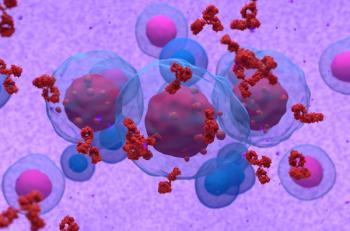
The approval expands the prior indication of idecabtagene vicleucel (Abecma; Bristol Myers Squibb), which will make the drug available to patients in earlier lines.

Despite being a Schedule I drug, cannabis is increasingly used in oncology for symptom management, although data remains limited.

Lisa Janssen Carlson, PharmD, BCOP, discusses some background and history of regulations for the conduct of clinical trials.
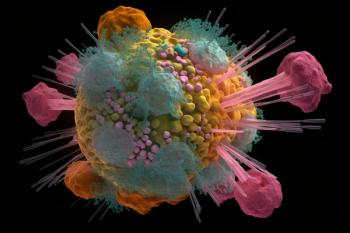
Precision medicine revolutionized NSCLC treatment, targeting specific mutations like KRAS G12C with therapies such as adagrasib to improve patient outcomes.

The expanded role of oncology pharmacists includes the opportunity to work in ambulatory settings, infusion centers, delivery of specialized in pharmacy services, evaluation of investigational new drugs, and manager roles in drug chain supply and in coordination of care.
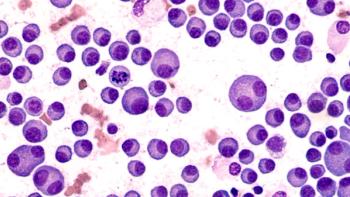
Unlike conventional monoclonal antibodies, BsAbs possess dual binding domains that target 2 distinct antigens simultaneously.

Investigators compared the copy number alterations of patients who were male and female using 16 cancer types in The Cancer Genome Atlas Program.

Study outcomes demonstrated that 80 HER2-postive BTC individuals enrolled in Cohort 1 of the study achieved a confirmed objective response rate of 41.3%
The decision follows phase 3 trial results that demonstrated improved progression-free survival and confirmed the safety of Dato-DXd in patients with breast cancer.

By implementing easier systems of education for patients, the consequences of polypharmacy could potentially decrease.
The mutation impacts BAF proteins and can lead to progression of follicular lymphoma, according to the investigators.
In the RUBY phase 3 trial, dostarlimab (Jemperli; GSK) with niraparib (Zejula; GSK) had significant progression free survival compared to the standard of care.

The positive results in both progression-free survival and overall response rate were endorsed in a confirmatory study.

It is unclear why the vaccines were less effective in women, but researchers note that the findings can be important when determining immune therapy outcomes in patients with melanoma.

The recent ODD for the utidelone injectable could offer another treatment option for patients with BCBM.

Pediatric patients with the variant were approximately 1.44 times more likely develop ALL compared with children who do not have the variant.

The results displayed a dramatic reduction in the individuals’ tumors within days after single treatment.
The study authors are hopeful that this finding can help in the development of new drugs or treatments for patients with multiple myeloma.