
Pharmacists secure patient safety by suggesting naloxone with opioid medications based on the MME thresholds, comedications, risk factors, and state regulations.
Pharmacists secure patient safety by suggesting naloxone with opioid medications based on the MME thresholds, comedications, risk factors, and state regulations.

Explore how radio frequency identification (RFID) technology enhances medication safety, operational efficiency, and patient care in health care and pharmacy settings.
Reducing alcohol intake alongside GLP-1 therapy may significantly improve outcomes for patients with obesity or diabetes risk.

Interest in intravenous push administration of antibiotics is regaining popularity as fluid shortages arise.

Ben Long, MD, and Weston Blakeslee, PhD, discuss how pharmacists can integrate automated SMS tools to reduce readmissions while minimizing workflow burden.

Research reveals COVID-19's lasting effects on brain health, highlighting cognitive impairments in patients with long COVID even after recovery.

Recent research links depression to increased risk of Lewy body dementia and Parkinson disease, emphasizing the need for early detection and awareness.

Pharmacists are essential in guiding patients taking TNF inhibitors regarding supplement use, the risks of "immune boosters," and potential immunomodulatory therapy interactions.

Using wildcard hard-stop pharmacy preparation instructions in the electronic health record system significantly improved REMs documentation compliance at our institution.

Hospital pharmacies enhance efficiency and reduce waste through innovative medication management and RFID technology, ensuring optimal patient care and safety.

Rocatinlimab shows promise in treating moderate-to-severe atopic dermatitis, offering significant symptom relief.

Technological change and COVID-19–related staffing challenges have intensified the need for pharmacy technician career growth and retention strategies. Mayo Clinic implemented an inclusive 5-tier career ladder with expanded training and compensation, reducing turnover by nearly 50% and improving satisfaction, demonstrating the impact of structured advancement on workforce stability and professional development.

Ben Long, MD; and Weston Blakeslee, PhD, explain how personalized text messaging helps overcome common adherence barriers and keeps patients engaged without overwhelming them.

Heidi De Souza discusses strategies to enhance RSV vaccine uptake among older adults, emphasizing awareness, coadministration patterns, and public health efforts.

Pharmacists enhance health care delivery by managing medication refills, addressing drug shortages, and supporting chronic disease management.

New research reveals circulating tumor cells can predict patient response to tarlatamab in small cell lung cancer, enhancing personalized treatment strategies.
In this episode, we break down the genetics, diagnosis, and clinical impact of HCM, explore how management strategies have evolved, and discuss the emerging role of cardiac myosin inhibitors in treating obstructive disease.
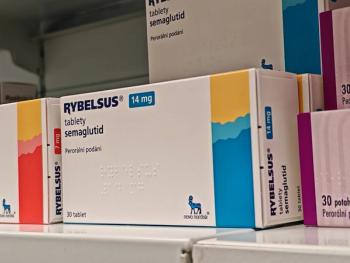
The FDA approved oral semaglutide to reduce the risk of major adverse cardiovascular events (MACE) in patients with type 2 diabetes (T2D).


Preeclampsia significantly raises the risk of chronic kidney disease (CKD) later in life, highlighting the need for targeted postpartum monitoring for affected women.
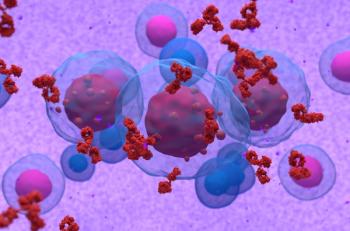
Teclistamab-cqyv shows promising results in treating refractory multiple myeloma, significantly improving survival rates and offering new hope for patients.

Ben Long, MD; and Weston Blakeslee, PhD, discuss how personalized text reminders significantly improve prescription adherence in patients with heart failure and the critical role pharmacists play in reinforcing engagement.

In October 2025, the FDA approved an updated label update for capecitabine mandating DPYD genetic testing before initiating treatment, unless urgent.
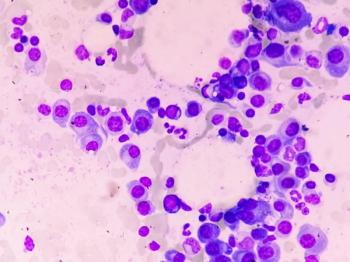
New research uncovers why multiple myeloma affects men more than women, highlighting sex-based differences in disease presentation and risk factors.
The treatment was granted a Prescription Drug User Fee Act target action date of May 10, 2026.

Start 2026 with clear goals, smart planning, and intentional action.

The findings reemphasize a need for mental health support for those in the pharmacy profession.

Explore the potential of GLP-1 agonists in Alzheimer's treatment, their current limitations, and future research directions in neurology.

Recently released guidelines enhance chronic kidney disease management, emphasizing early detection and innovative treatments for better patient outcomes.

Long-term type 2 diabetes significantly increases cardiovascular disease risk, revealing potential biomarkers for early intervention and prevention strategies.