

|Articles|May 13, 2022
Daily Medication Pearl: Obeticholic Acid (Ocaliva)
Author(s)Saro Arakelians, PharmD
Obeticholic acid (Ocaliva) is indicated for the treatment of primary biliary cholangitis in combination with ursodeoxycholic acid (UDCA) in adults with an inadequate response to UDCA, or as monotherapy in adults unable to tolerate UDCA.
Advertisement
Medication Pearl of the Day: Obeticholic Acid (Ocaliva)
Indication: Obeticholic acid (Ocaliva), a farnesoid X receptor (FXR) agonist, is indicated for the treatment of primary biliary cholangitis (PBC) in combination with ursodeoxycholic acid (UDCA) in adults with an inadequate response to UDCA, or as monotherapy in adults unable to tolerate UDCA.
Insight:
- Dosing: The recommended starting dosage of Ocaliva is 5 mg orally once daily in adults who have not achieved an adequate response to an appropriate dosage of UDCA for at least 1 year or are intolerant to UDCA.
- Dosage forms: Tablets 5 mg, 10 mg
- Adverse events: Most common adverse reactions (≥ 5%) are pruritus, fatigue, abdominal pain and discomfort, rash, oropharyngeal pain, dizziness, constipation, arthralgia, thyroid function abnormality, and eczema.
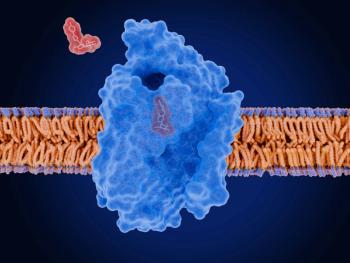
- Mechanism of action: Obeticholic acid is an agonist for FXR, a nuclear receptor expressed in the liver and intestine. FXR is a key regulator of bile acid, inflammatory, fibrotic, and metabolic pathways. FXR activation decreases the intracellular hepatocyte concentrations of bile acids by suppressing de novo synthesis from cholesterol as well as by increased transport of bile acids out of the hepatocytes.
- Manufacturer: Intercept Pharma
Source:
Newsletter
Stay informed on drug updates, treatment guidelines, and pharmacy practice trends—subscribe to Pharmacy Times for weekly clinical insights.
Advertisement
Related Content
Advertisement



Latest CME


















Advertisement
Advertisement
Trending on Pharmacy Times
1
TrumpRx Launches, Offering Cash-Paying Patients Discounted Drugs
2
Enlicitide Meaningfully Lowers LDL-C at 24 Weeks in Patients At Risk for ASCVD Events
3
Evaluating Pharmacists’ Role In Veterinary Medication Management and Education
4
SGLT2 Inhibitors in T2D Lower 5-Year Risk of CKD and Acute Kidney Injury
5