


























Final approval for Sympazan, the oral soluble film formulation of clobazam, is pending the expiration of the orphan drug exclusivity period for ONFI.
Final approval for Sympazan, the oral soluble film formulation of clobazam, is pending the expiration of the orphan drug exclusivity period for ONFI.

Cannabidiol treatment increased the production of inflammatory suppressor cells in mice, which reduced the clinical signs of MS.

A synthetic chemical caused the self-destruction of glioblastoma tumor cells transferred from human patients into mice.

Amyotrophic lateral sclerosis and frontotemporal dementia exhibit key similarities in underlying molecular mechanisms tied to the dysfunction of RNA-binding proteins.

Molecular link found between aging and a major genetic cause of 2 neurodegenerative disorders.

Researchers uncover myelocortical multiple sclerosis, a new subtype of the disease that features neurodegeneration but lacks white matter myelin loss in the brain.
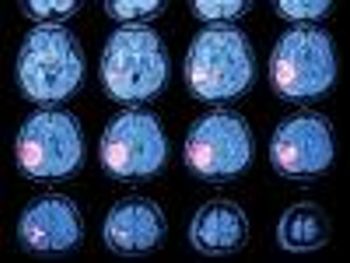
Machine-learning technique reduces toxic treatment dosing for glioblastoma while maintaining tumor-shrinking benefits.

The use of benzodiazepines and related z-drugs was found to be associated with a modest increase in the risk of Alzheimer disease in a case-control trial.

Study evaluates the effect of multiple sclerosis treatment alemtuzumab (Lemtrada) on the B-cell component of MS.

Assessment of neurofilament light chain levels offers real-time, efficient measure marker of multiple sclerosis progression.

Certain magnetic resonance imaging (MRI) parameters correlated with a greater risk of recurrence and progression to multiple sclerosis within the first year following diagnosis of clinically isolated syndrome.

Treating patients’ stress and poor sleep may help reduce the risk of depression in multiple sclerosis.

A phase 1 trial evaluating the safety and tolerability of PRN2246, a Bruton's tyrosine kinase (BTK) inhibitor, found the drug having no serious medication-related adverse events in healthy volunteers while also being able to reach the brain.

Botox injections found to decrease urinary incontinence and improve quality of life for patients with multiple sclerosis.

A protein that regulates the formation of myelin sheaths may lead to new treatments for multiple sclerosis.

New formulation of gene-silencing drug may effectively treat amyotrophic lateral sclerosis.

A recent study analyzed the role of purinergic receptor P2X4 in microglia/macrophages during autoimmune inflammation.

While the prevalence of neurological disabilities among children with HIV has drastically decreased since the emergence of antiretroviral therapy, the prevalence remains higher in this patient population

Top news of the week from Specialty Pharmacy Times.

Interferon regulatory factor 2 binding protein-like gene is essential for neurological development and maintenance.
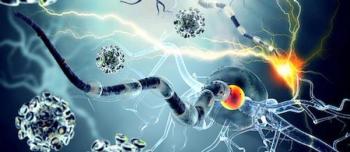
In a groundbreaking new study, researchers have identified a molecular pathway for stimulating the regeneration of new myelinating cells, and repairing the damage of debilitating neurological diseases.
Study finds that several multiple sclerosis drug candidates inhibit the same enzyme to stimulate myelin regeneration.
Blocking the protein receptor, muscarinic type 3, may be effective in promoting remyelination in patients with multiple sclerosis.
Using targeted therapies in patients with gliobastoma who have the mutation may reduce tumor growth and improve survival outcomes.
Mapping iron concentration in certain regions of the brain may help predict multiple sclerosis progression risk.