





















Although ADHD is generally treated through medication and/or behavioral treatments, in more than 25% of children, these treatments alone are insufficient.
Although ADHD is generally treated through medication and/or behavioral treatments, in more than 25% of children, these treatments alone are insufficient.
Study suggests attention-deficit hyperactivity disorder medications may lower the risk of suicide in children with hyperactivity, oppositional defiance, and other behavioral disorders.
Antidepressants may lower the risk of death and serious complications from diabetes for patients with both diabetes and depression, according to a study published in the Journal of Clinical Endocrinology & Metabolism.

Clive Ward Able, MD, BPharm, discusses research results suggesting the promise of psilocybin as a potential treatment for obesity.

In addition to getting outside and taking time to enjoy hobbies outside of work, Carroll urged pharmacists to enjoy time with family and friends whenever possible.

This week on Pharmacy Times, there are a number of important topics that will be covered and posted throughout the week.
The Pharmacy Times® Pharmacy Focus podcast provides the latest industry news and information, thought-leader insights, clinical updates, patient counseling tools, and innovative solutions for the everyday practice and business of pharmacy.

Individuals with attention-deficit hyperactivity disorder and other diagnoses who are taking stimulant medications are also more likely to switch to non-stimulant medications.

This week on Pharmacy Times, there are a number of important topics that will be covered and posted throughout the week.

Trials assessing psychedelic medicine were conducted in the United States for several decades before they were criminalized in 1968, with government and military funding provided for research in the field.
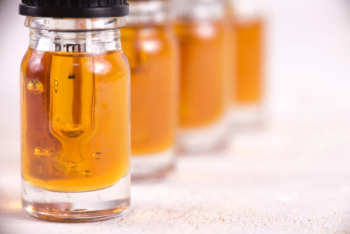
Pharmacy Times interviewed Dennis O’Neill, president and board member of BIOMEDICAN, on the outlook around the future of biosynthesis therapeutics that use rare cannabinoids to treat a range of health issues, from mental health disorders to diabetes.

Clive Ward Able, MD, BPharm, president of Clintell, consultant to NeonMind Inc, and a trained pharmacist and physician, discusses his research into the use of psychedelic compounds to treat obesity.

The messages offered alternatives to these prescription drugs and offered education for providers that is designed to lead to a change in medication.

Despite significant medical advancements related to HIV treatment and quality of life, the risk of suicide in patients is high and health care providers should prioritize mental health screenings in this population.
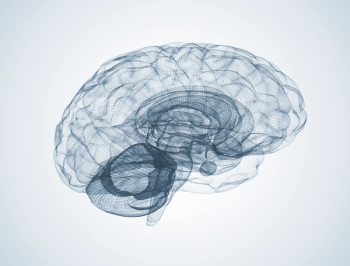
Bia Labate, PhD, public education and culture specialist at the Multidisciplinary Association for Psychedelic Studies, and Kelan Thomas, PharmD, MS, associate professor of clinical sciences at Touro University California College of Pharmacy, discuss the psychedelic medicine market and the outlook for the field.
Jordan Tishler, MD, president of the Association of Cannabis Specialists and faculty at Harvard Medical School, discusses his outlook on the future of both care for patients with PTSD and acknowledgement of the role of cannabis in its treatment.
The omega-3 polyunsaturated fatty acids eicosapentaenoic acid and docosahexaenoic acid were applied first in high doses to lab-grown neurons and then in patients to understand the mechanism by which they reduce inflammation and depression.

The study authors said this research is the first systematic review that compares treatments for depression in those with coronary disease.

Studies suggest bipolar disorder is associated with increased potential for stroke and higher odds of experiencing poor outcomes.

To recognize National PTSD Awareness Month in June, Pharmacy Times interviewed Jordan Tishler, MD, on how medical cannabis can be used to treat PTSD among veterans and the general public.

Pharmacists can be instrumental in helping to curtail the prevalence of psychotropic medication misuse while also providing unique expertise on drug information.

Although many health systems offer wellness program for their staff, awareness and utilization of these services remains low.
The once-daily, oral atypical antipsychotic medication has the same established antipsychotic efficacy of olanzapine with less weight gain.

Findings showed a 34% decrease in the number of mental health services utilized by children under age 19 and a 22% decline in the number of mental health services utilized by adults aged 19 to 64.

As pharmacy professionals battle with their own challenges regarding mental health, the optimal role of psychiatric pharmacists is yet to be defined.