
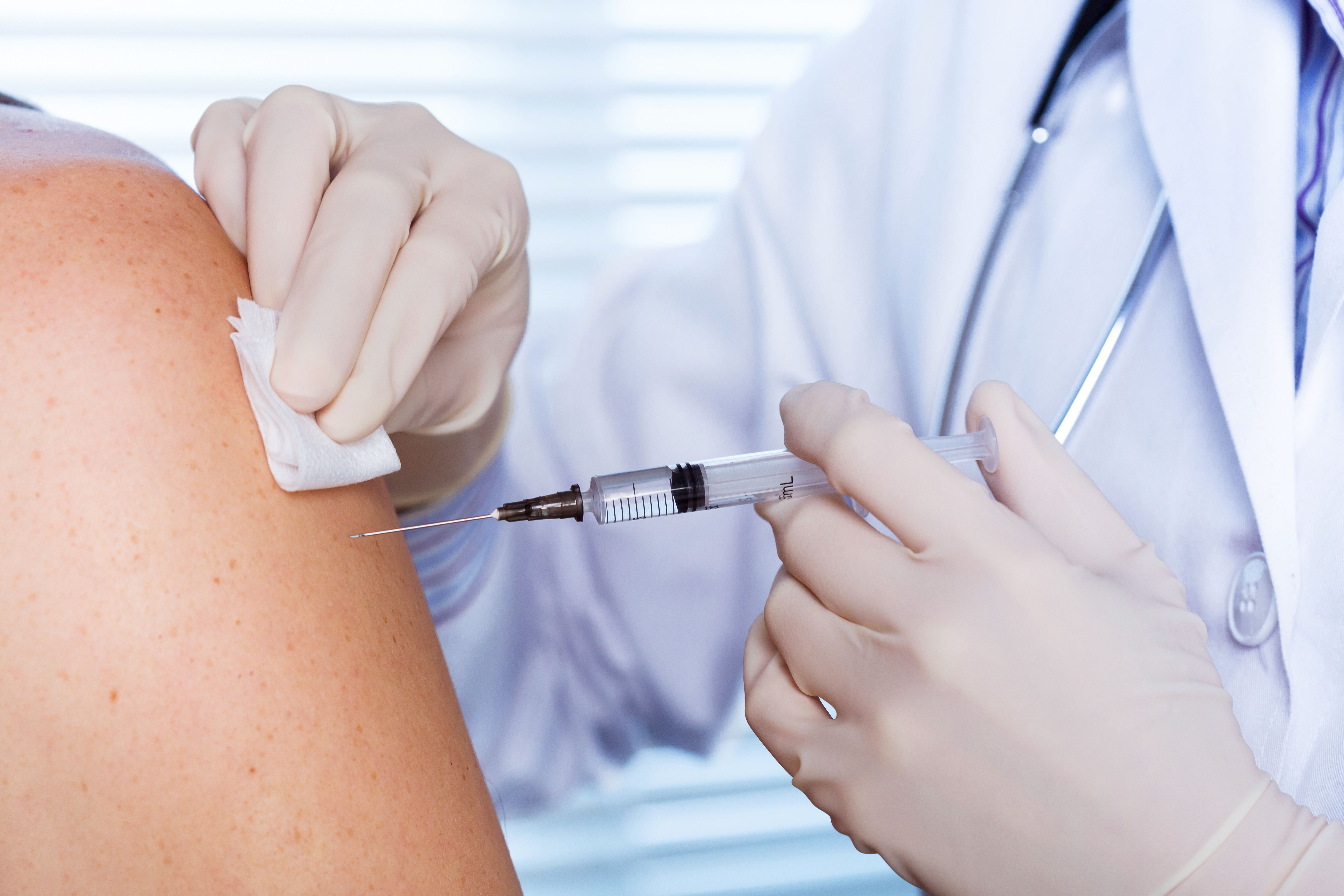























Health care and public health officials are concerned over the number of missed or declined immunizations, but the pharmacy can play a role in turning this tide.
Health care and public health officials are concerned over the number of missed or declined immunizations, but the pharmacy can play a role in turning this tide.
With more than 80,000 retail and outpatient pharmacy locations, pharmacists are the most accessible health care professionals in the United States.
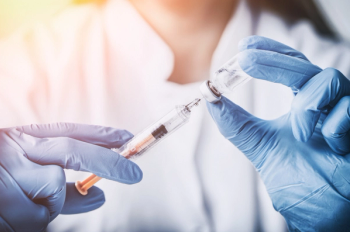
Even before the COVID-19 pandemic, vaccine hesitancy has been a challenge among adult patient populations.
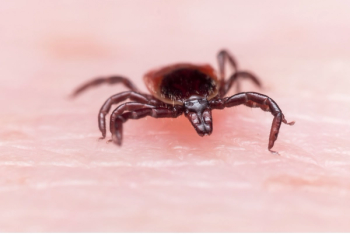
Quiz questions to assess your knowledge on common symptoms and treatments for Lyme disease.

Four examples of patient care services that pharmacies can implement and why they can be beneficial to a pharmacy’s business model.
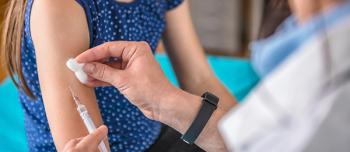
Data from the study shows a strong immune response in this age group following this dose, with no new safety signals.

Investigators observe strong immunogenicity profile in study participants aged 5 to 17 years 1 month after the primary vaccination series.
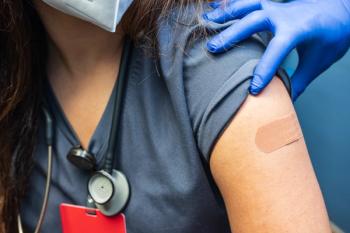
Hogue is the second pharmacist to ever serve on the advisory committee.
The PREVENT-19 study evaluates the immunogenicity and safety of a third dose of NVX-CoV2373 in children aged 12 to 17 years.
ARCT-154 demonstrates 95% efficacy overall for prevention of severe disease, including related deaths.
Each time a pharmacist immunizes a patient against one of the 27 infections for which a safe and effective vaccine exists, the profession continues to protect communities against diseases that wreaked havoc on generations.

The analyses are shared at the American Association for Cancer Research Annual Meeting 2022 in New Orleans, Louisiana.
V116 is a novel 21-valent pneumococcal conjugate vaccine for the prevention of invasive pneumococcal disease and pneumococcal pneumonia.
Measles elimination is the absence of endemic measles transmission in a region or other defined geographical area for 12 months or longer.
Each vaccine candidate includes 8 mRNAs, which targets both hemagglutinin and neuraminidase at different doses and ratios.
The pharmacist's role in the profession has immensely changed since the COVID-19 pandemic, and it will continue to change with new initiatives for the future and the integration of more public health policies.
If all HHC agencies adopted policies requiring staff influenza vaccinations, the researchers predicted an 11.25% reduction in the rate of hospital transfers due to respiratory infections.

Additional support is necessary to ensure that infrastructure development continues and that all pharmacists have the necessary tools to continue to provide immunization services.

RSVpreF gets breakthrough designation for the prevention of lower respiratory tract disease caused by respiratory syncytial virus in individuals 60 years of age or older.
Jeffery Goad, PharmD, MPH, associate dean of Academic Affairs in School of Pharmacy at Chapman University discusses the future of pharmacy when it comes to immunizations.
Explain to patients that research Is continually evolving and the need for booster shots does not mean the vaccinations do not work.

Investigators call for routine monitoring of vaccination effectiveness as the pandemic continues to evolve.

It is essential that women are informed of the risks of potentially teratogenic medications because most birth defects are likely to happen early in pregnancy before women become aware they are pregnant.
There are many benefits that can happen when public health experts partner and advocate for pharmacy, and there is a lot to discuss when we look at what is currently evolving in the pharmacy landscape.