





COVID-19
Latest News
Advertisement
Latest Videos









Podcasts
CME Content

















Advertisement
More News
As the COVID-19 pandemic moves into an endemic phase, the major impacts on drug research, collaboration, and use of new technologies due to the spread of the virus warrant recognition.
Marcella Kinaya, PharmD, on Flu Season: ‘We’re Here to Protect People and Make Sure They’re Healthy’
A district leader at CVS Health emphasizes that patients should get tested, be up to date with immunizations, and staying home and reach out to health care professionals when experiencing symptoms.

The 3CL protease inhibitor is designed to suppress the replication of SARS-CoV-2, preventing COVID-19 illness, even if a household member is infected.

The pandemic showcased the resiliency and adaptability of pharmacists.

COVID-19 changed the personal and professional lives of all pharmacy workforce members. But what now?

In older postmenopausal women, leukocyte count was found to be an independent predictor of long COVID symptom severity, highlighting its potential for use as a novel symptom biomarker.

Pharmacists have been central to vaccine distribution since the COVID-19 pandemic, and as viruses spread, they must continue urging patients to stay updated on vaccinations to prevent severe illness and reduce hospitalizations.
New results shed light on the ineffectiveness of the combination antiviral therapy in patients vaccinated against COVID-19.
The ongoing "quad-demic" of influenza, norovirus, RSV, and COVID is creating heightened health risks, making prevention through hygiene, masking, and vaccination critical.
The test results are available in as little as 20 minutes.

New data from the longest known trial of pediatrics and adolescents in the postacute phase of COVID-19 show they are at a heightened risk of gastrointestinal tract symptoms.

Emerging data indicate that COVID-19 is also characterized by inflammation present in the heart and other organs

Investigators noted that the differences between the 3 respiratory infections were not as pronounced during the 2023-2024 season.

Through similar targeting of the RdRp enzyme, these treatments could offer groundbreaking new options for patients with COVID-19 if proven effective in real-world trials.

Patients recovering from COVID-19 and caregivers reported how some social determinants of health were helpful in their recovery, while others led to difficult social and mental challenges.

Engaging with the community, providing transparent information to patients, and using noncoercive methods of encouragement are strategies to reduce COVID-19 vaccine hesitancy.

The finding could help better treat patients with long COVID, as pharmacists and treatment providers can look out for ME/CFS symptoms.
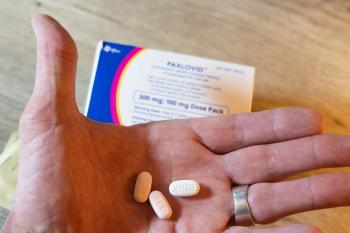
Some patients treated with prolonged courses of oral nirmatrelvir/ritonavir experienced long COVID symptom improvements, while others reported little to no changes in their symptoms.

COVID-19 survivors deemed the most highly impacted and fearful also reported the lowest health-related quality of life scores, indicating an association.

The pandemic’s aftermath left lasting tensions in health care.

Over 70% of children and young people with long COVID reported improvements in their symptoms within 24 months of their initial positive SARS-CoV-2 test.

Study results show that the updated BNT162b2 XBB vaccine is effective in preventing hospitalizations or emergency department visits associated with COVID-19 complications.
Patient education on the risks of the long-term illness can help overcome vaccine hesitancy.
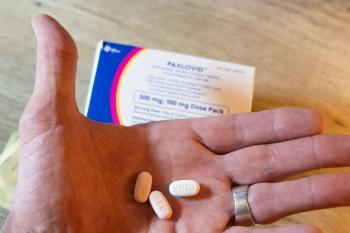
The conversation of VLR has sparked a discussion as to whether or not other COVID-19 treatment agents are associated with a surge in symptoms and if so, how those agents compare with the rebound effect of nirmatrelvir/ritonavir.
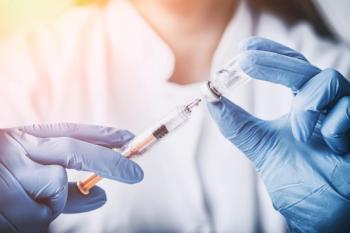
The combination vaccine candidates will be evaluated in 2 separate phase 1/2 clinical trials.
Advertisement
Advertisement
Trending on Pharmacy Times
1
TrumpRx Launches, Offering Cash-Paying Patients Discounted Drugs
2
Nipah Outbreak in India Poses Low Global Risk Despite Lack of Approved Treatments
3
Pharmacist Takeover: CAR T Therapy Signals a Shift in ALL Treatment
4
SGLT2 Inhibitors in T2D Lower 5-Year Risk of CKD and Acute Kidney Injury
5