




Classical Hematology
Latest News
Advertisement
Latest Videos

































































































Advertisement
More News

'Freedom From the Need': A Pharmacist's Journey From Constant Hemophilia B Treatment to Gene Therapy
Chip Hailey, a 74-year-old pharmacist with hemophilia B, shares how gene therapy has liberated him from decades of challenging treatment and restored his independence.

IVIG treatment significantly boosts platelet counts in pregnant people with thrombocytopenia, revealing key predictors for effective response and optimizing clinical decisions.

Shore Medical Center enhances patient safety with a pharmacy-driven intravenous to oral opioid conversion protocol, minimizing risks and improving pain management.

The approval expands the therapy’s indication to children as young as 7 years.

This new generic will impact both oncology and community pharmacists.

Research reveals a significant link between maternal anemia and increased risk of congenital heart defects in infants, highlighting the need for effective prevention strategies.
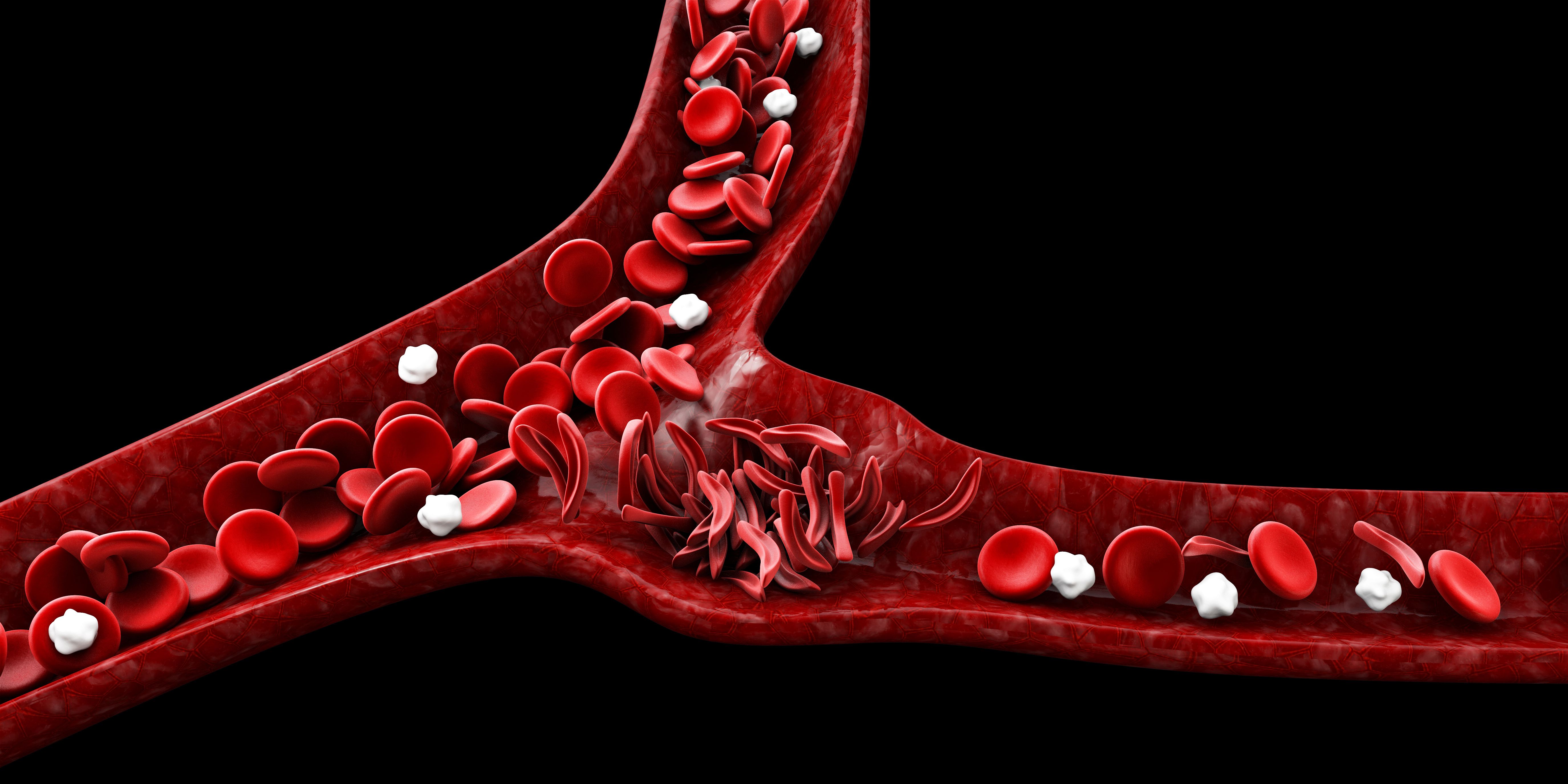
New research confirms hydroxyurea's long-term effectiveness in reducing hospital visits for children with sickle cell anemia, supporting its use as standard treatment.

Some patients with aplastic anemia treated with CK0801 achieved durable transfusion independence lasting over 3 years.

These data provide compelling evidence to revise existing transfusion protocols, recommending 4F-PCC as the preferred treatment for hemostatic management in cardiac surgery.

Kara Melmed, MD, emphasizes the critical importance of rapid, team-based intervention for intracerebral hemorrhage (ICH) patients, with pharmacists playing a key role in blood pressure management.

The new designations span both warm autoimmune hemolytic anemia and IgG4-related disease, 2 rare, immune-mediated conditions that burden patients due to a lack of available treatment options.
Compared with the original dose regimen, an antithrombin-based dose regimen of fitusiran was associated with an improved safety profile.

The availability of this option could make physicians more comfortable when prescribing ticagrelor, which could help solve the challenge of undertreatment with antiplatelet therapy.

Approval of fitusiran, a small interfering RNA drug, was found effective in patients with hemophilia regardless of inhibitor status.

In previously sedentary young males and females, 14 days of moderate aerobic exercise increased red and white blood cell counts and hemoglobin concentrations without altering key cardiometabolic enzymes.

Older age and being insured with Medicare or Medicaid were associated with heightened annual joint bleeding rates, whereas treatment in the Northeast United States improved outcomes in both hemophilia A and hemophilia B.

Ononogbu discusses research, health equity, and sickle cell advancements.

Pharmacists can optimize management of this condition with intravenous iron therapy guidance.
The patient is the first to be cured using lovotibeglogene autotemcel, a novel cell-based gene therapy.
Compared with daily oral iron, a single intravenous (IV) infusion of iron was shown to lower rates of low birth weight in infants and decrease reliance on further iron supplementation or transfusions in pregnant patients with anemia.

Following allogeneic hematopoietic stem cell transplantation (allo-HSCT), luspatercept effectively improved signs of anemia in patients with a variety of hematologic conditions.

Expert: Pharmacists Play Key Role in Counseling, Managing Expectations for Etranacogene Dezaparvovec
Pharmacists are integral to setting patient expectations, monitoring liver health, and ensuring adherence to long-term follow-up for optimal outcomes with etranacogene dezaparvovec.

Etranacogene dezaparvovec offers a long-term, cost-effective solution for hemophilia B by providing sustained factor IX expression but requires careful patient selection and post-infusion liver monitoring.

The new data demonstrates the effectiveness of Mim8 in children with hemophilia A regardless of inhibitor status, expanding the populations in which the novel drug in development could have a treatment benefit.

Improvements in baseline for markers of hemolysis (indirect bilirubin, lactate dehydrogenase, and haptoglobin) were observed only in the mitapivat arm.
Advertisement
Advertisement
Trending on Pharmacy Times
1
FDA Approves XFG-Adapted COVID-19 Vaccine, mRNA for the 2026-2027 Season
2
Beyond the Transplant Center: IV Therapy in the Community
3
Incorporating Patient-Reported Symptoms into Treatment Plans
4
Safety Monitoring Protocols During Transitions of Care
5