
OR-449 is being developed for both adult and pediatric patients with adrenocortical carcinoma, as well as other cancers known to express a high level of steroidogenic factor-1.
OR-449 is being developed for both adult and pediatric patients with adrenocortical carcinoma, as well as other cancers known to express a high level of steroidogenic factor-1.

CAR T cell gel eliminated the residual tumor cells in almost all mouse models, allowing the mice to survive when they otherwise would have succumbed to tumor recurrence.

Sarah McDonald, cancer survivor and author of The Cancer Channel, discusses her experience battling 2 different unrelated cancers and the value oncology pharmacists could have provided with a greater presence on her care team.
Many patients have baseline risk factors present at diagnosis because of older age and disease-related elements.
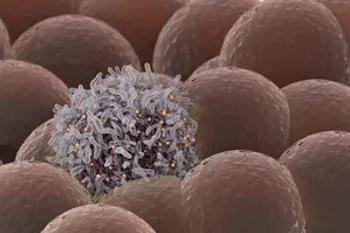
18F-FDG PET/CT detects approximately 73% of tumor lesions, while 68Ga-FAPI finds approximately 94%.

Bruton’s tyrosine kinase inhibitor zanubrutinib (Brukinsa; BeiGene USA, Inc) approved for the treatment of chronic lymphocytic leukemia or small lymphocytic lymphoma.
This is the first indication for tucatinib that extends beyond the treatment of advanced unresectable or metastatic HER2-positive breast cancer.

Older patients received cancer treatment less frequently during the pandemic, as did patients covered by Medicaid.

The stool-test is the first-of-its-kind to detect CRC in adults aged 45 to 49 years, with a premarket approval submission planned to be sent to the FDA early in 2023.
A retrospective analysis presents unique results for AML treatment.
The head of the CAR T cell antibody can recognize and target the growth factor in its tumor microenvironment.

Significant study results may help inform clinical practice strategies.
Developments may soon impact clinical practice in hematology and oncology.

“It's an honor to walk the last steps with someone, it is.”-Mary Lynn McPherson, PharmD, MA, MDE, FAAHPM
The analysis found a median progression-free survival of 14.2 months in the ripretinib arm, compared with 1.5 months in the sunitinib arm.

Pharmacists report a myriad of reasons for joining the profession, including the connections they can build with patients.

Viral infections can plague patients who have undergone stem cell transplantation.

In the geographical region of a recent study, data showed melanoma cause high mortality rates in relation to incidence.

The biopsy test is the first companion diagnostic approved for entrectinib for individuals who do not have an available tissue sample.

Researchers question screening guidelines for older women after findings.
Distinguishing between atypical hepatocellular carcinomas and intrahepatic cholangiocarcinoma can be difficult, but researchers identified several reliable MRI features to assist in differentiation.
If approved, glofitamab will treat the most aggressive type of non-Hodgkin lymphoma.
The findings show promising clinical activity and a favorable tolerability profile in the treatment of KRASG12C-mutated advanced colorectal cancer.
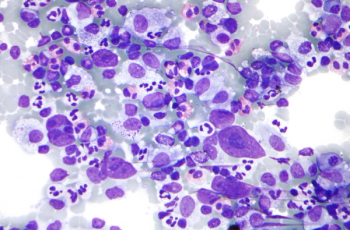
A better understanding of the pathogenesis of monoclonal gammopathy of clinical significance would help guide clinicians treating the complex condition.

This technology could facilitate equal access to value-based pathways in oncology care and optimize the individual treatment approach.

The opportunity to provide non-invasive colorectal cancer screening and education to patients is undoubtedly a role that pharmacists can fill.
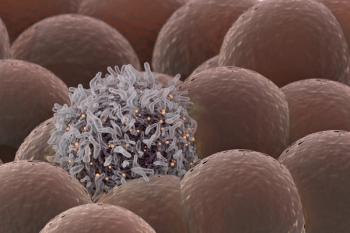
The dual-action cell therapy is designed to eliminate established tumors, train the immune system to eradicate a primary tumor, and prevent recurrence.

In this special January issue covering ASH and SABCS, we have divided the publication by conference.

New drug approvals, toxicity management, and pharmacists’ roles in cancer care all dominated the top oncology articles of 2022.

In 10 states, the data showed more than 26% of women had limited accessibility to mammography, primarily in the Rocky Mountains and the South.