

Pharmacists can educate patients on nonpharmacologic strategies that help improve survival outcomes.
Pharmacists can educate patients on nonpharmacologic strategies that help improve survival outcomes.

Trastuzumab deruxtecan was safe and efficacious prior to treatment with paclitaxel, trastuzumab, and pertuzumab.
Dracey Poore explores the future of biosimilars, emphasizing the need for increased adoption.
Specialty pharmacy experts discuss how emotional support, addressing patient loneliness, and peer-to-patient programs can significantly improve medication adherence and patient care.

Patients with myelofibrosis who stopped ruxolitinib on the first day of conditioning did not show higher rates of acute graft-vs-host disease (GVHD).

The coronary artery disease (CAD) predictive model help health care professionals tailor personalized treatment methods for patients.

UPMC enhances care for patients with heart failure through integrated pharmacy and cardiology team collaboration.

AI transforms pharmacy practice by streamlining workflows and enhancing patient care, while pharmacists adapt to new roles and challenges in health care.

The time frame concept is an underappreciated through line in most planning efforts.

Intravenous immunoglobulin (IVIG) treatment for dermatologic conditions shows effectiveness but poses risks of kidney decline and thromboembolism, necessitating careful monitoring.

The agent targets B7-H3, a commonly overexpressed protein in diffuse intrinsic pontine glioma (DIPG).
There was no significant increase in severe adverse events associated with statin use.
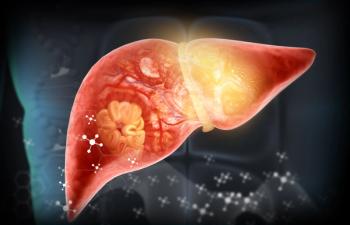
About 62.9% of patients with metabolic dysfunction–associated steatohepatitis (MASH) receiving semaglutide experienced resolution of steatohepatitis without worsening of fibrosis.

Abigail Thomas, PharmD, and Lee A. Kral, PharmD, discuss the evolving role of psilocybin-assisted therapy in palliative care, highlighting current evidence, safety concerns, and how pharmacists can guide patient selection, manage drug interactions, and support education as the therapy moves closer to clinical use.

This installment of our series on ADCs and HER2 breast cancer offers key insights about novel agents in clinical trials and management of ADC therapies.

The salvage therapy led to an 80% overall response rate in patients with relapsed/refractory multiple myeloma.

Diana Violanti, PharmD, and Pamela S. Moore, PharmD, BCGP, discuss the nuanced use of anticholinergic agents for managing terminal secretions at end of life, highlighting practical considerations, timing, safety concerns such as delirium, and the limited yet evolving evidence supporting their role in palliative care.

As evidence grows for psilocybin-assisted therapy’s effectiveness in treating mental health and addiction, efforts are increasingly focused on ensuring equitable access—particularly for underserved communities disproportionately affected by systemic barriers and public health crises.

New research highlights the need for evidence-based buspirone use in psychiatric settings, revealing high off-label prescriptions and suboptimal dosing practices.

Jonas Congelli, RPh, discusses how limited distribution networks and medically integrated pharmacies can improve access, continuity, and quality of oncology care—particularly in underserved areas—while addressing systemic barriers posed by traditional distribution models and pharmacy benefit managers.

Jacinda Abdul-Mutakabbir, PharmD, MPH, AAHIVP, discusses how looming tariffs, vaccine misinformation, and rising drug costs are straining public health pharmacy efforts, while also sparking new opportunities for innovation, collaboration, and community-centered care amid uncertainty.

Research reveals a significant link between maternal anemia and increased risk of congenital heart defects in infants, highlighting the need for effective prevention strategies.

The American Lung Association is raising awareness about updated pneumococcal vaccine guidelines, emphasizing prevention and patient education for at-risk populations.

New research shows adults with RSV-ARI may face significantly higher mortality and health complications, emphasizing the need for targeted vaccination strategies.

Douglas Adkins, MD shares key data and findings from the phase 3 KEYNOTE-689 study.

At Baptist Health South Florida, pharmacists are embedded in all areas of cardiovascular care, an expert said.
Updates on April 30, 2025, introduce changes to treatment regimens, sequencing flexibility, febrile neutropenia risk assessments, and drug-specific safety and supportive care guidance.

Explore the role of JAK inhibitors in myelofibrosis treatment, focusing on optimizing dosages and managing adverse effects for better patient outcomes.

Research reveals that children face significant long-term health risks, including kidney, gastrointestinal, and cardiovascular issues, after COVID-19 infection.