
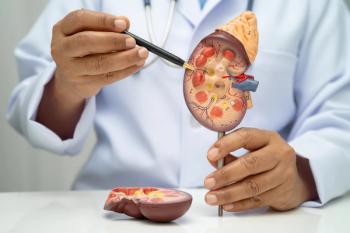
Vadadustat and darbepoetin alfa show similar safety and efficacy in treating CKD-related anemia, with regional differences impacting cardiovascular risks.
Vadadustat and darbepoetin alfa show similar safety and efficacy in treating CKD-related anemia, with regional differences impacting cardiovascular risks.


New research highlights vitamin D's potential to slow telomere shortening, suggesting it may combat aging and promote cellular health.

Implementation of the Plan-Do-Study-Act cycle in health system retail pharmacies significantly increased uptake of 20-valent pneumococcal conjugate vaccine among eligible adults.

About 10% of patients report a penicillin allergy, but only around 1% are truly allergic. Recommending penicillin allergy testing can help patients determine whether they have a true allergy.

New findings show LYR-210's potential to significantly alleviate chronic rhinosinusitis symptoms, offering hope for patients with nasal inflammation and polyps.

Ibrutinib plus venetoclax shows promising long-term survival rates, including those who are considered high risk.

Infectious Disease Society of America guidance defines difficult-to-treat resistant Pseudomonas aeruginosa as resistance to all first-line agents.
Experts share insights on patient discussions and adverse effect management strategies in HER2 breast cancer.

Explore the latest advancements in myelofibrosis treatment, focusing on JAK inhibitors and pegylated interferons for improved patient outcomes.

The 2025 ASCO Annual Meeting discusses the latest advancements in understanding and treating precursor diseases.

Zongertinib shows promising efficacy and safety for HER2-mutant NSCLC, with a 71% response rate and low toxicity, paving the way for future treatments.

A clinical trial shows tebipenem pivoxil hydrobromide (Tebipenem HBr; Spero Therapeutics and GSK) effectively treats complicated urinary tract infections (cUTIs), potentially transforming patient care and reducing hospital costs.

Laura Momoko Asakura, PharmD, BCOP, BCSPS, discusses the equitable use of oncology treatment pathway tools, highlighting that their utilization remains consistent across patient groups regardless of race, ethnicity, or insurance status.

The FDA designated Hadlima as an interchangeable biosimilar to Humira, enhancing patient access and potential savings for various conditions.

Frank Qian, MD, MPH, discusses the integration of omega-3 fatty acid therapy alongside statins and PCSK9 inhibitors in cardiovascular risk management, highlighting the distinct mechanisms of benefit and lack of significant drug interactions.

Explore the complexities of managing toxicities in breast cancer treatments, including endocrine therapies, antibody drug conjugates, and immune checkpoint inhibitors.

Bempedoic acid is an effective option for statin-intolerant patients or those needing additional low-density lipoprotein cholesterol (LDL-C) reduction, with clinical trials showing cardiovascular benefits, key drug-drug interaction considerations, and special management factors in patients with comorbidities.

Experts discuss BiTE therapy in treating lung cancers, focusing on innovative agents like tarlatamab and amivantimab, and their toxicity management.

MRD testing transforms multiple myeloma treatment, guiding personalized strategies and improving patient outcomes through innovative testing methods.
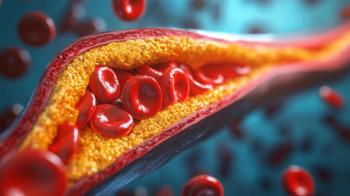
Kausik K. Ray, MD, discussed the importance of early, aggressive, and sustained LDL-C lowering for atherosclerotic cardiovascular disease prevention, highlighting that the magnitude of cardiovascular risk reduction is independent of the specific lipid-lowering therapy used.
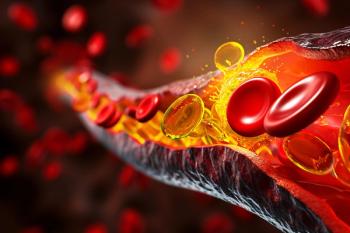
Børge G. Nordestgaard, MD, DMSc, discussed the role of remnant cholesterol as an independent risk factor for atherosclerotic cardiovascular disease and the emerging therapies that may help manage residual cardiovascular risk beyond low-density lipoprotein cholesterol reduction.

Incretin-based therapies, including GLP-1 and dual GLP-1/GIP receptor agonists, are transforming the management of type 2 diabetes, obesity, and cardiovascular risk.

Frank Qian, MD, MPH, discusses clinical considerations for omega-3 fatty acid therapy, such as the patient populations who may benefit most and important safety concerns.


Frank Qian, MD, MPH, discusses the clinical indications, dosing strategies, and cardiovascular outcomes data for prescription omega-3 fatty acids, including the ongoing debate about EPA vs EPA-DHA formulations and the implications of recent trial findings.

Explore how the gut microbiome influences cancer therapy responses, resistance mechanisms, and the potential of microbiota-focused strategies for improved outcomes.

GLP-1 receptor agonists, including semaglutide and tirzepatide, significantly reduce cardiometabolic risk factors such as dyslipidemia, type 2 diabetes, metabolic dysfunction-associated steatohepatitis, obstructive sleep apnea, chronic kidney disease, and cardiovascular events, with evidence suggesting that some of these benefits may occur independently of weight loss.
At the 2025 National Lipid Association (NLA) Scientific Sessions, Marlys L. Koschinsky, PhD, FNLA, discusses the role of Lp(a) in cardiovascular risk and the emerging therapies designed to target and lower Lp(a) levels.

Gurjyot K. Doshi, MD, discusses key updates to medically integrated pharmacy standards, which reflect the evolving landscape of oral oncolytic therapy.