Ready-to-use glucagon simplifies hypoglycemia rescue by providing easy-to-use options for patients and caregivers.
Ready-to-use glucagon simplifies hypoglycemia rescue by providing easy-to-use options for patients and caregivers.
Continuous glucose monitors provide individuals with type 2 diabetes with real-time, actionable insights about their health.
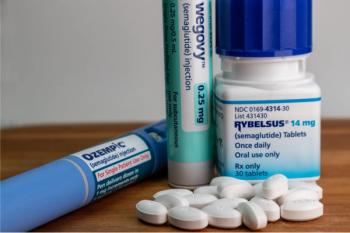
Oral semaglutide shows promising cardiovascular benefits for type 2 diabetes patients, reducing major adverse events by 14% in the SOUL trial.
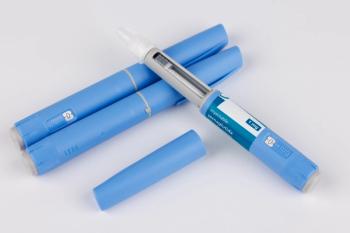
CagriSema shows promising weight loss and metabolic benefits in recent trials, offering new hope for obesity and type 2 diabetes management.
Experts discuss the low prescription rates of ready-to-use glucagon for individuals with diabetes.
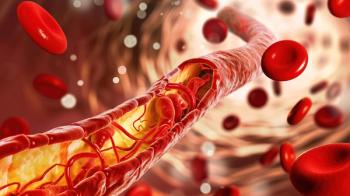
Semaglutide shows promise in enhancing walking ability and reducing disease progression in patients with type 2 diabetes and peripheral artery disease.
Heidi Finnes, PharmD, BCOP, FHOPA, discusses the evolving landscape of treatment of cutaneous malignancies.
Jolynn Sessions, PharmD, BCOP, FHOPA, shares her experience as a clinical pharmacist and the value of the Oncology Pharmacists Connect meeting.
Victoria Nacher, PharmD, BCOP, offers key insights about the evolving treatment landscape for hematologic malignancies.

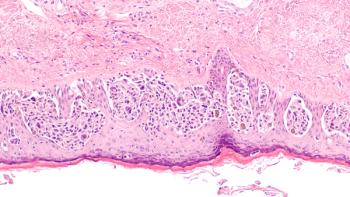
Janet Espirito, PharmD, discusses real-world outcomes from a large community oncology study showing that patients with BRAF-mutated melanoma—including those with brain metastases—experienced similar benefit from frontline immune checkpoint inhibitor (ICI) therapy.
In today’s rapidly evolving health care landscape, pharmacists are playing an increasingly vital role in patient care—but many policymakers remain unaware of the full scope of their expertise and contributions.

The emergence of biomarkers plays a critical role in the growing success of treatment.
Tim Mok, PharmD, BCOP, BCPS, discusses emerging advancements in treatment of leukemia and lymphoma.

New research highlights the significant health risks of respiratory syncytial virus (RSV) in older adults, emphasizing the need for effective vaccines and public health strategies.
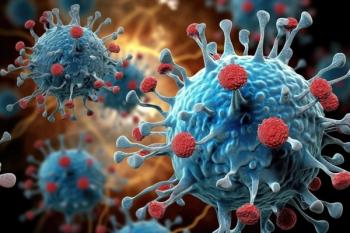
When infected with SARS-CoV-2, the virus that causes COVID-19, higher levels of proinflammatory cytokines are released in men compared with women, leading to more severe disease.
This abstract will be presented at the Oncology Pharmacists Connect (OPC) meeting in Austin, Texas, from June 19 to 20, 2025.
This abstract will be presented at the Oncology Pharmacists Connect (OPC) meeting in Austin, Texas, from June 19 to 20, 2025.
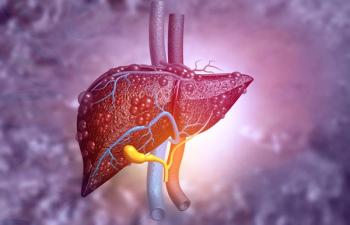
New research reveals a significant link between type 2 diabetes, obesity, and fatty liver disease.

The FDA approves garadacimab-gxii, a treatment for hereditary angioedema (HAE), offering convenient monthly self-injections for patients 12 years and older.
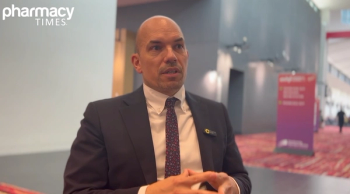
From protecting the 340B Drug Pricing Program to expanding payment pathways through state-level reforms and Medicare Advantage opportunities, Kraus emphasized the critical role pharmacists play in evolving care models.

Clostridioides difficile (C difficile) represents a serious public health threat, with pharmacists and advocacy organizations playing critical roles in prevention, education, and management.

This single-center, descriptive, retrospective chart review identified barriers to outpatient chemotherapy use, revealing avoidable inpatient stays and highlighting targets for stewardship interventions.
Host Craig Beavers chats with Shannon Finks, PharmD, FCCP, BCPS, BCCP, AHSCP-CHC, president and director of pharmacy services at ZupMed in Memphis, Tennessee.

This abstract will be presented at the Oncology Pharmacists Connect (OPC) meeting in Austin, Texas, from June 19 to 20, 2025.

Talquetamab and teclistamab showed significant promise in a phase 1b/2 dose escalation and expansion trial.

Nemolizumab shows promising long-term efficacy in reducing itch and skin lesions for atopic dermatitis, enhancing quality of life for patients.

Moderna's mRNA-1345 vaccine gains FDA approval, enhancing protection against RSV for high-risk adults aged 18 to 59 years, following earlier approvals for older populations.

Ribociclib plus endocrine therapy shows improved survival in HR+, HER2- breast cancer, but its cost-effectiveness raises concerns in the US market.

In 3 phase 3 clinical trials, enlicitide decanoate demonstrated clinically significant reductions in low-density lipoprotein cholesterol (LDL-C) in patients with hyperlipidemia and familial hypercholesterolemia.