

News|Articles|June 7, 2026
ADA 2026: Semaglutide Add-On Reduces Glycemic Burden, Cardiometabolic Risk in Older Adults With T2D
Author(s)Luke Halpern, Associate Editor
Fact checked by: Kirsty Mackay
Listen
0:00 / 0:00
Key Takeaways
- Real-world data in 34 elderly patients showed HbA1c levels decreased 1.5% and fasting glucose levels decreased 1.5 mmol/L after semaglutide add-on, with broad statistical significance across end points.
- Insulin requirements fell 22.5%, and sulfonylureas were discontinued in 7 patients and halved in 16, supporting deprescribing strategies that reduce hypoglycemia-prone exposure.
Adding semaglutide to existing regimens in older adults with inadequately controlled T2D significantly reduced HbA1c, fasting blood glucose, body weight, and blood pressure.
Advertisement
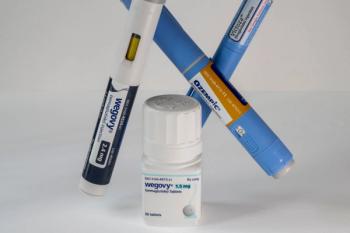
Managing type 2 diabetes (T2D) in older adults presents a distinct clinical challenge. Older adults are more vulnerable to hypoglycemia, polypharmacy-related harms, and the functional consequences of poorly controlled cardiometabolic risk factors—yet they are often underrepresented in major clinical trials. New real-world data presented at the 2026 American Diabetes Association (ADA) Scientific Sessions in New Orleans, Louisiana, suggest that adding semaglutide (Ozempic, Wegovy; Novo Nordisk) to existing regimens may offer a meaningful path to simplifying and improving diabetes management in this population.
Poster Findings: Broad Benefits Across Key Parameters
The poster, titled “Add-On Semaglutide in the Treatment of Elderly with Type 2 Diabetes May Offer the Potential Benefits,” analyzed data from 34 older patients with inadequately controlled T2D who had been treated with sulfonylurea and/or basal-bolus insulin and in whom oral or subcutaneous semaglutide was subsequently introduced. Investigators assessed changes in glycemic control, body weight, body mass index (BMI), and blood pressure.1
Results showed statistically significant reductions across all primary and secondary end points. Hemoglobin A1c (HbA1c) levels decreased by 1.5% (P < .0001), and fasting blood glucose levels decreased by 1.5 mmol/L (P = .0002). Regarding insulin-sparing effects, the average insulin dose was reduced by 22.5% (P < .01) across all patients. Sulfonylurea was discontinued entirely in 7 patients and reduced by at least 50% in 16 others. Cardiometabolic parameters also improved significantly: Body weight declined by 4.9 kg (P < .0001), BMI dropped by 1.7 kg/m² (P < .0001), systolic blood pressure fell by 17.6 mm Hg (P < .0001), and diastolic blood pressure decreased by 4.8 mm Hg (P = .0009).1
Why Older Adults Require Special Consideration
Long-acting sulfonylureas are particularly concerning for older adults due to an increased susceptibility to severe hypoglycemia, which has been linked to adverse outcomes, including falls, fractures, and cardiac events such as QTc prolongation. In older adults with T2D, strict glycemic control can result in more harm than benefit, especially when using insulin or sulfonylureas, and deprescribing should be considered, starting with agents most likely to cause hypoglycemia. The ability of semaglutide to facilitate meaningful reductions in both drug classes in this poster’s cohort directly addresses these concerns.2,3
Polypharmacy, potentially inappropriate medications, and clinically relevant drug-drug interactions have been associated with lower quality-of-life outcomes in older adults with T2D. By enabling dose reductions or discontinuation of sulfonylureas and insulin, add-on glucagon-like peptide-1 (GLP-1) receptor agonist therapy may help simplify regimens that have grown unwieldy over years of diabetes progression.4
Semaglutide’s Cardiometabolic Profile
The blood pressure and weight reductions observed in this poster align with a growing body of evidence on semaglutide’s effects beyond glycemic control. Among GLP-1 receptor agonists, semaglutide has demonstrated reductions in cardiometabolic risk factors and cardiovascular prevention efficacy, with multiple physiological effects, including improvements in systolic blood pressure, hepatic steatosis, and weight through reduced appetite and delayed gastric emptying. Data from a large trial showed that oral semaglutide (Ozempic pill, Wegovy pill; Novo Nordisk) reduced the risk of major adverse cardiovascular events by 14% in adults with T2D aged 50 or older who had elevated cardiovascular risk. The cardiometabolic improvements seen in this real-world cohort of older adults extend those findings into a population often excluded from pivotal trials.5,6
A pooled analysis of the SUSTAIN 1-5 trials showed that semaglutide had a comparable efficacy and safety profile in both older adults and younger patients, with mean HbA1c reductions of 1.3% to 1.5% and similar body weight reductions across age groups. However, the authors noted that semaglutide should be used with caution in older adults who are frail, given gastrointestinal adverse effects and the potential for body weight loss associated with the drug class.7
Implications for Pharmacy Practice
Pharmacists are well positioned to support the safe use of semaglutide in older adults with T2D, and the findings from this poster address several areas of pharmacist engagement. When semaglutide is used in combination with insulin or sulfonylureas, the risk of hypoglycemia increases, and pharmacists can counsel patients about this interaction at both initial dispensing and subsequent refills. Monitoring for signs of hypoglycemia becomes especially important in older adults following any insulin dose reduction.8
Providers and pharmacists should collaborate on GLP-1 agonist selection through complete medication reconciliation, with an interprofessional approach to maximize positive outcomes and minimize adverse events. Pharmacists can help boost adherence to GLP-1 therapies by addressing barriers such as adverse effects, cost, administration difficulties, and unrealistic expectations. For older patients transitioning to injectable semaglutide, hands-on injection technique education is a particularly high-value touchpoint.9
As the population of older adults with T2D increases and the emphasis on individualized, lower-burden treatment continues to grow, real-world evidence, such as that presented in this poster, helps fill an important gap. Pharmacists who routinely care for older adults on complex diabetes regimens should be alert to the potential for GLP-1 receptor agonist therapy not only to improve glycemic control, but to help safely reduce the polypharmacy burden that so often complicates care in this population.
REFERENCES
1. Vukelic K. Add-on semaglutide in the treatment of elderly with type 2 diabetes may offer the potential benefits. Poster presented at: 2026 American Diabetes Association Scientific Sessions; June 5-8, 2026; New Orleans, LA.
2. Thompson W. Minimising harms of tight glycaemic control in older patients with type 2 diabetes. African Journ Prim Health Fam Med. 2024;16(1):a4857. doi:10.4102/phcfm.v16i1.4857
3. Gallagher A. Polypharmacy for older adults with diabetes reaches as high as 95.3%. Drug Topics. May 30, 2026. Accessed June 7, 2026. https://www.drugtopics.com/view/polypharmacy-for-older-adults-with-diabetes-reaches-as-high-as-95-3-
4. Al-Musawe L, Torre C, Guerreiro JP, al. Polypharmacy, potentially serious clinically relevant drug-drug interactions, and inappropriate medicines in elderly people with type 2 diabetes and their impact on quality of life. Pharmacol Res Perspect. 2020;8(4):e00621. doi:10.1002/prp2.621.
5. Temporelli PL. Oral semaglutide: an innovative paradigm in the management of cardiovascular risk in patients with type 2 diabetes. Eur Heart J Suppl. 2025;27(suppl 1):i1-i5. doi:10.1093/eurheartjsupp/suae086
6. Ferruggia K. ADA 2025: Oral semaglutide demonstrates cardiovascular benefits in SOUL trial. Pharmacy Times. June 22, 2025. Accessed June 7, 2026. https://www.pharmacytimes.com/search?pharmacytimes_sanity_data%5Bquery%5D=oral%20semaglutide&pharmacytimes_sanity_data%5Bpage%5D=3
7. Sorli C, Harashima SI, Tsoukas GM, et al. Efficacy and safety of once-weekly semaglutide monotherapy versus placebo in patients with type 2 diabetes (SUSTAIN 1): a double-blind, randomised, placebo-controlled, parallel-group, multinational, multicentre phase 3a trial. Lancet Diabetes Endocrinol. 2017;5(4):251-260. doi:10.1016/S2213-8587(17)30013-X
8. A pharmacist's guide to counseling patients on a once-weekly GLP-1 RA treatment for type 2 diabetes. Pharmacy Times: Cough, Cold & Flu. 2018;84(11). Accessed June 7, 2026. https://www.pharmacytimes.com/view/r956-dec2018
9. Wong A. How pharmacists can boost GLP-1 adherence. SingleCare.com. May 8, 2025. Accessed June 7, 2026. https://www.singlecare.com/blog/pharmacists-glp-1-adherence/
Advertisement
Related Content
Advertisement
Latest CME


























































































































Advertisement
Advertisement
Trending on Pharmacy Times
1
ADA 2026: Optimized Inhaled Insulin Dosing Outperforms Subcutaneous Analogs for Postprandial Glucose in T1D
2
FDA Grants Breakthrough Therapy Designation to Investigational Cannabis-Derived Therapy for Chronic Low Back Pain
3
The Hidden Reimbursement Crisis in Medicare’s Drug Price Negotiation Program
4
ADA 2026: Distinguishing T1D From T2D in Adults: What the Data Tell Us
5