
CDC surveillance data show that approximately 10% of adults hospitalized with RSV died during hospitalization or within 60 days of discharge.
Two Kidney Week 2026 posters suggest remnant cholesterol–based markers may help stratify CKD severity and cardiovascular death risk on hemodialysis.
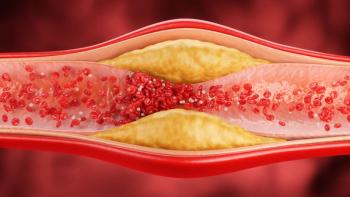
RC refers to the cholesterol carried in remnant lipoprotein particles. The calculated form is total cholesterol minus low-density lipoprotein cholesterol (LDL-C) minus high-density lipoprotein cholesterol, which requires no special testing equipment. Prospective studies have linked elevated nonfasting RC levels to a higher risk of developing atherosclerotic cardiovascular disease.3
In the first study, investigators at Peking University Third Hospital in Beijing, China, enrolled 346 patients receiving maintenance hemodialysis between 2010 and 2025 and divided them by the median RC value into high RC (≥0.72 mmol/L) and low RC (<0.72 mmol/L) groups.1
Over a median follow-up of about 7.1 years, there were 118 all-cause deaths, of which 64 were from cardiovascular disease (CVD). CVD mortality was significantly higher in the high RC group than in the low RC group (35.8% vs 1.16%; P < .001). In multivariate Cox regression, high RC was an independent risk factor for CVD mortality (HR, 26.642; P < .001), but it was not an independent risk factor for all-cause mortality.1
The authors concluded that monitoring RC could improve cardiovascular risk stratification and help guide clinical management in this population.1
The second poster, from a team at Peking University Health Science Center and Peking University Third Hospital that shared several investigators with the first, examined RC through an inflammatory lens. Researchers retrospectively analyzed 1644 patients with CKD treated from 2011 to 2020, comparing C-reactive protein (CRP) with 2 newer indicators: the remnant cholesterol inflammatory index (RCII) and the CRP-triglyceride-glucose index (CTI). Advanced risk was defined as CKD stages 2 to 3 and cardiovascular-kidney-metabolic (CKM) syndrome stages 3 to 4.2
All 3 indicators increased significantly across stages. CRP best discriminated CKM severity, with an area under the curve of 0.655 versus 0.636 for CTI and 0.607 for RCII. However, CRP was not significantly associated with CKD risk stratification (P = .379). In contrast, RCII (odds ratio [OR], 1.34; 95% CI, 1.13-1.59) and CTI (OR, 2.17; 95% CI, 1.28-3.79) both showed significant linear associations with advanced CKD risk.2
The authors concluded that RCII and CTI could provide superior assessment of CKD risk compared with CRP and called for further study of their prognostic value across kidney disease etiologies.2
Neither study establishes RC as a treatment target, and both are single-center analyses from China presented as abstracts, without peer-reviewed full-text publication. The hemodialysis study reported an unusually large hazard ratio without a confidence interval in the abstract, and its RC cutoff is expressed in mmol/L rather than the mg/dL units US laboratories typically report.1,2
Still, the posters add to evidence that cholesterol beyond LDL-C may matter in patients with kidney disease. For pharmacists reviewing lipid panels for patients with CKD, RC is a value that can be derived at no added cost and may prompt closer attention to triglyceride-rich lipoproteins and overall cardiovascular risk.1-3