






Flu
Latest News
Advertisement
Latest Videos







CME Content




















Advertisement
More News

Health policies to adapt to climate change must be altered to protect individuals with respiratory diseases in the warmer season.
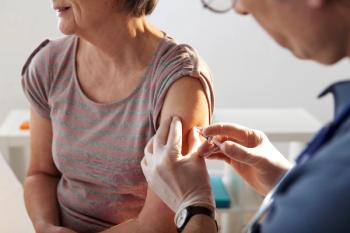
Individuals that are younger in age, Black, have low levels of education, and low income were associated with a lower chance of getting the flu shot each year.

mRNA-1083 is an investigational combination vaccine designed to prevent influenza and COVID-19.

In a recent study, approximately 99% of children who received solid organ transplant and live vaccination against rubella had antibodies 1 to 3 months post-vaccination.

In this episode, John Beckner, RPh, of the National Community Pharmacists Association, speaks with Ed Cohen, PharmD, FAPhA, about seasonal immunizations, specifically the new COVID-19 formulations.
Engaging technicians in immunizations has been crucial to public health

mRNA-1083 (Moderna) was found comparable to the standard dose of Fluarix (GSK) in adults aged 50 to 64 years and Fluzone HD ( Sanofi) for influenza and Spikevax (Moderna) for COVID-19.
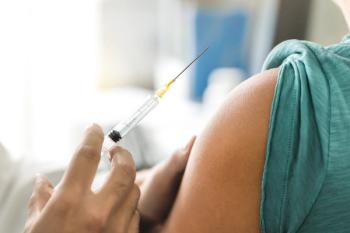
In addition to the annual flu vaccines, COVID-19 boosters and RSV vaccines present new opportunities for pharmacists to advise patients.

Similarly, the results of a survey by the National Foundation for Infectious Diseases demonstrated that approximately 23% were worried about COVID-19 and 19% for respiratory syncytial virus.

Pharmacists play a vital role in providing education and administering influenza, COVID-19, and RSV Vaccines

Experts answer questions on influenza vaccines.

Community pharmacies and organizations can collaborate to tailor strategies and interventions and address the challenges and specific needs of the community.
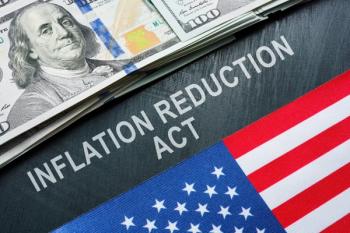
By educating their patients on the provisions of the Inflation Reduction Act, pharmacists can have an even greater impact by increasing vaccine uptake in historically underserved groups.
Compared with COVID-19 vaccination alone, recent study findings show health care workers who received both a COVID-19 booster and influenza vaccinations did not have lower immune response or more frequent adverse events.

Evidence-based programs and policies to improve vaccine uptake are necessary for both caregivers and the general public because influenza vaccine coverage remains low for both groups.

Senate Bill 219 will also allow pharmacists to independently administer influenza and COVID-19 tests waived by the clinical laboratory improvement amendments.

While monitoring influenza virus resistance as it develops, researchers are prioritizing further investigations to decrease the risk of resistant strains.
Having 2 drug classes available for influenza is significant, but it is important to investigate other treatments prior to the pandemic, a new study indicates.

With new vaccines expected for both SARS-CoV-2 and influenza, educate patients on the ongoing need for immunizations
With back-to-school season already over and the fall rapidly approaching, health systems are bracing for another season of influenza, COVID-19, and respiratory syncytial virus.

Despite study findings showing that 1 in 5 patients hospitalized for COVID-19 developed persistent high blood pressure, many had underlying risk factors.

This technique may be applied to transdermal applications, such as shot-free vaccines.

Experts discuss the social determinants that can affect the rates of flu immunizations and strategies to boost immunization rates.
Chad Worz, PharmD, BCGP, FASCP, and the panel review the NUDGE-FLU Trial and discuss the study design, outcomes, and how similar nudges can be incorporated into practice.
An expert panel reviews the signs of vaccine hesitancy and how pharmacists can address patient concerns.
Advertisement
Advertisement
Trending on Pharmacy Times
1
TrumpRx Launches, Offering Cash-Paying Patients Discounted Drugs
2
Pharmacist Takeover: CAR T Therapy Signals a Shift in ALL Treatment
3
SGLT2 Inhibitors in T2D Lower 5-Year Risk of CKD and Acute Kidney Injury
4
Q&A: How Pharmacists Can Address Structural Barriers in Obesity Care
5