

|Articles|March 1, 2005
- Volume 0 0
Molecule Triggers Fat in Liver
Advertisement
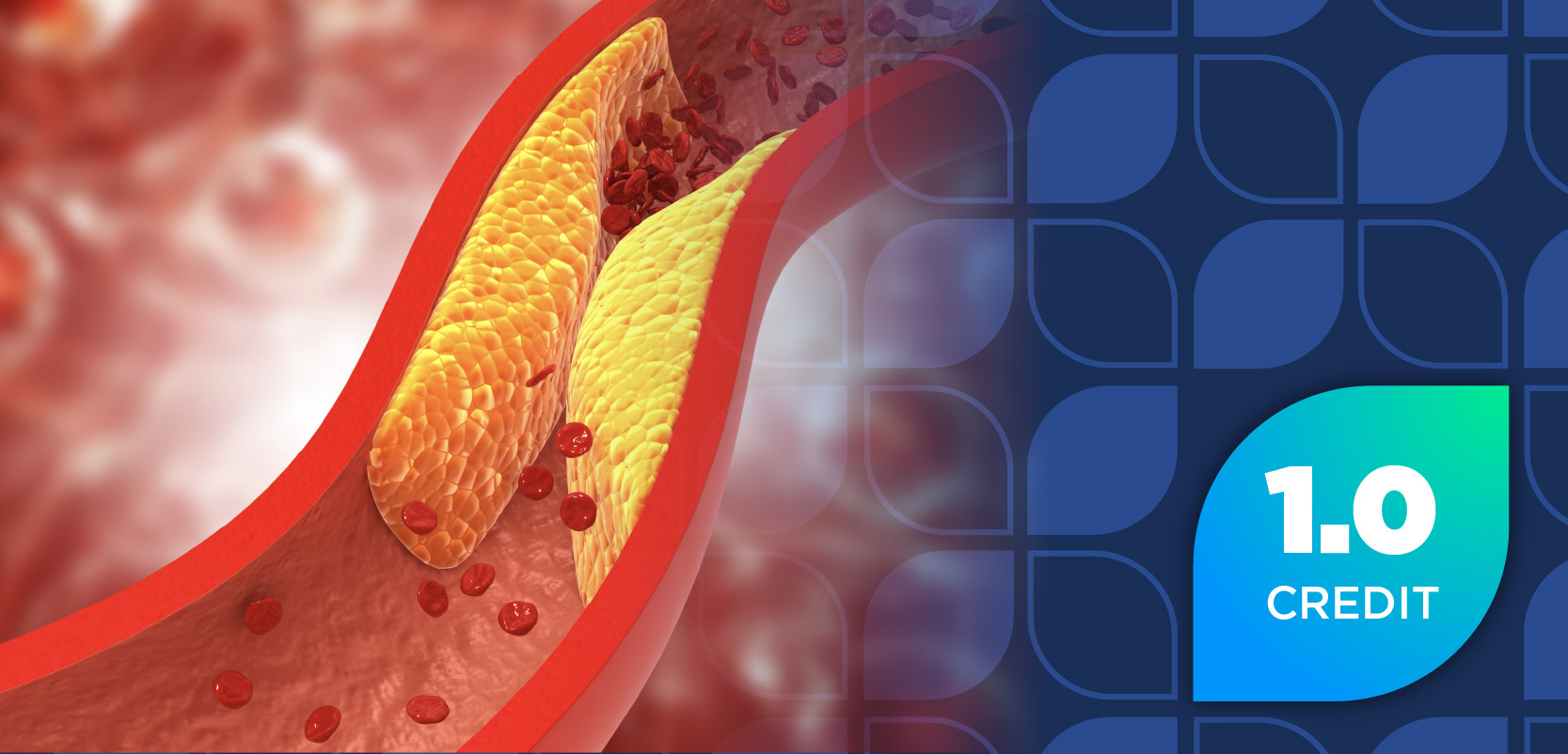
Research has proven that saturated fats and trans fattyacids cause high levels of cholesterol and triglycerides. Bothare risk factors in cardiovascular disease and some types ofcancer. A new study identified a molecule in the liver thatexplains how eating fatty foods increases the risk of heartdisease and cancer.
The researchers reported that the harmful effects of saturatedand trans fats are activated by PGC-1beta, a biochemicalswitch located in the liver cells. The investigatorsexplained that, when PGC-1beta is set in motion by harmfulfats, it alters liver metabolism and causes an upsurge of theliver's production of very low-density lipoprotein (VLDL). Inturn, the VLDL produces low-density lipoprotein. Furthermore,it manufactures higher levels of triglycerides.
Articles in this issue
over 21 years ago
Heart Patients Get More Appropriate Rx Treatment from Cardiologistsover 21 years ago
Surgeon General Report Blasts Rx Drug Importing Practicesover 21 years ago
Mevacor a Pharmacist-Only OTC? No Way, Advisory Group Tells FDAover 21 years ago
Expo Focuses on Caregiver Needsover 21 years ago
Early-Month Rx Fatalities Linked to Overworked Pharmacistsover 21 years ago
Feds Report Rx Expenditures Rose More Slowly in 2004over 21 years ago
Rx.com Offers Alternative to PBM Mail Orderover 21 years ago
Americans Rate US Health Care as Poorover 21 years ago
Pharmacy Security Combo Pack Now Availableover 21 years ago
IOM Advocates Tougher Supplement StandardsAdvertisement
Related Content
Advertisement




Latest CME













































































































Advertisement
Advertisement
Trending on Pharmacy Times
1
ADA 2026: Factors Associated With GLP-1 RA Nonresponse in T2D—and What Pharmacists Should Screen For
2
ADA 2026: Survodutide Cuts Visceral Fat and Normalizes Liver Fat in MASLD. Here's What the Data Mean for Metabolic Risk
3
ADA 2026: Earlier GLP-1 and SGLT-2 Use Recommended From Diabetes Diagnosis, Expert Says
4
The Hidden Reimbursement Crisis in Medicare’s Drug Price Negotiation Program
5